An independent travel journal — go when the country is at its best.
Questions, corrections, story notes
Home / Guides and Topics
THE ALMANAC INDEX CHAPTERS 01–10
Every subject this journal keeps in print.
Ten standing topics, each one a working answer to a question a traveller actually asks before leaving the house. No cards, no ranking, no season of the month — just the board, in the order we think a first trip is best assembled.
WHAT THIS PAGE IS FOR
Trips and Tours is an independent travel journal about Australia and the trips Australians take. We write guidance, not departures: the pages below explain how a region behaves, when it is at its best and what it asks of you, so the decisions stay yours.
Every entry names the question it answers and the traveller it suits. If you already know your window, skip the order and go straight to the region.
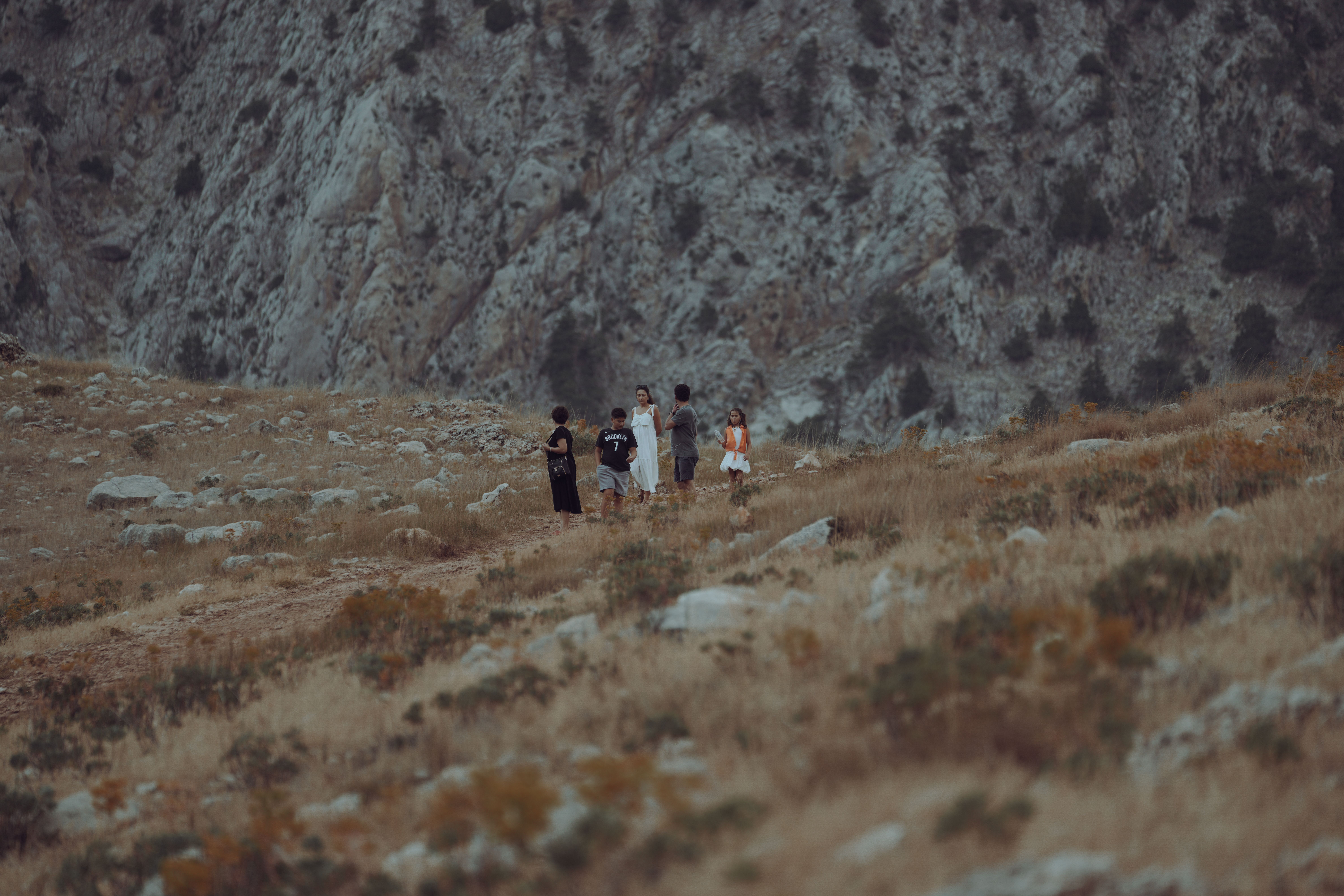
Walkers crossing dry, rocky grassland below a cliff face — the ground most of these ten topics keep returning to.
CHAPTER ORDER
Read it in this order the first time.
Most planning goes wrong at the sequence, not the detail. Timing decides the region; the region decides the pace; the pace decides the money and the kit. Work in that direction and very little needs undoing.
Timing first
Fix the window before the map. Daylight, heat, school holidays and wet seasons move the whole trip. Begin at When to Go: Seasons and Timing, then read The Case for the Shoulder Season.
Then the region
Match the window to country that is comfortable in it — coast, interior, alpine or city. The four regional topics below all say plainly what they ask of a traveller in each season.
Then the style
The same road is a different trip solo, with children, or with four friends and one boot. Travel Styles: Solo, Family, Group sets the pacing and the daily distance you can honestly hold.
Money and kit last
Only once the shape is real can a budget be built against it. Finish with Budgeting a Trip and Packing and Preparation.
ENTRIES 01–05 · FOUNDATIONS AND COUNTRY
Answers how does a rough idea become a trip? — choosing a destination, sequencing stops and allowing honest travel time between them. Suits anyone planning their first independent trip. Read the guide
Answers when is this place at its best, and what do I give up? — weather, daylight, crowd patterns and school terms read as trade-offs rather than a single best month. Suits flexible travellers and anyone locked to fixed leave. Read the guide · Planning Around School Holidays
Answers how does distance actually behave out here? — why a drive is worth doing slowly, and how coastal, alpine and inland routes differ in character. Suits self-drivers and anyone tempted by a map that looks smaller than it is. Read the guide · How Far to Drive in One Day
Answers what makes a water trip work? — beaches, island groups and marine parks, plus conditions, access and reef-safe behaviour. Suits swimmers, snorkellers and families choosing a shoreline base. Read the guide
Answers what does the interior ask of me? — remoteness, heat, fuel and water planning, cultural context and respect for Country. Suits confident, unhurried travellers who would rather see less and understand more. Read the guide · Respect on Country in Remote Travel
ENTRIES 06–10 · PACE, MONEY AND CONDUCT
Answers how do I use a two- or three-day window well? — orienting quickly in a capital and pairing it with the region around it. Suits long-weekend travellers and anyone adding days to a work trip. Read the guide · How to Structure Three Days in a City
Answers how does this trip change depending on who is in the car? — pacing, decision-making, comfort thresholds and the daily distance each group can hold. Suits first-time solo travellers, parents and friends splitting one plan four ways. Read the guide · Notes on a First Solo Trip
Answers where does the money actually go? — transport, beds, food, entry fees and contingency, and which cuts save real money without gutting the trip. Suits anyone deciding between fewer days and cheaper days. Read the guide · Cutting Costs Without Cutting Days
Answers what do I take when the forecast disagrees with itself? — luggage choices, layering for variable climates, documents and copies, connectivity, sun and insect protection. Suits travellers crossing several climates in one trip. Read the guide · Packing for Changeable Weather
Answers how do I travel here without wearing the place out? — staying longer in fewer places, spending with local operators, respecting protected areas and cultural sites, and being straight about the footprint of getting there. Suits every reader, at any budget. Read the guide
Open country running out to an empty horizon — where the reading order ends and a region begins.
WHERE TO GO NEXT REGIONS 01–07
From the topic to the country itself.
The ten entries above are ways of thinking. The regional pages are where those ways of thinking meet real ground — a state at a time, with its own seasons, distances and habits.
Start at Regions We Cover, or go straight to Queensland, New South Wales, Victoria, Tasmania, South Australia, Western Australia or the Northern Territory.
If you would rather see how these pages are put together, read How We Research and Write, browse the running notes in The Journal, or read what a logged route will contain in Trip Records — the format sets out the four questions each record answers and what it deliberately leaves out.
Something missing from the board?
Topics are added where a decision recurs across the guides and published sources are scattered. If something you needed is not indexed here — or a page no longer matches what you found on the ground — tell us through the enquiry form and we will look at it for the next revision.
BEFORE YOU WRITE
Reader Questions answers the standing ones about this journal: whether we book or sell trips, how topics are chosen, how current a guide is, and what to do when a travel window is already fixed — alongside timing and driving distances.
For everything else — corrections, story suggestions and editorial contact — the enquiry form is the single way through. New to the journal? About Trips and Tours explains who writes it and why it stays independent.