An independent travel journal — go when the country is at its best.
Questions, corrections, story notes
Go when the country is at its best
TRIP PLANNING BASICS
WHEN TO GO: SEASONS AND TIMING
AUSTRALIAN ROAD TRIPS
COAST AND REEF
OUTBACK AND RED CENTRE
CITIES AND SHORT BREAKS
Reef flats and lagoon channel — shallow water reading its own season.
The Almanac Board
Four seasons, four different countries. Each column beside this one asks the same four questions of one season — daylight, heat, crowds, school holidays — so the trade-offs can be read straight across the board instead of hunting for a single best month.
Start with the season you can actually travel in, then choose the region that suits it.

Summer · Dec–Feb
Warm water and the longest days of the year — and half the country loading the car at the same time.
Daylight — longest of the year
Heat — inland becomes a morning-only country
Crowds — coastal towns at their fullest
School holidays — the long summer break
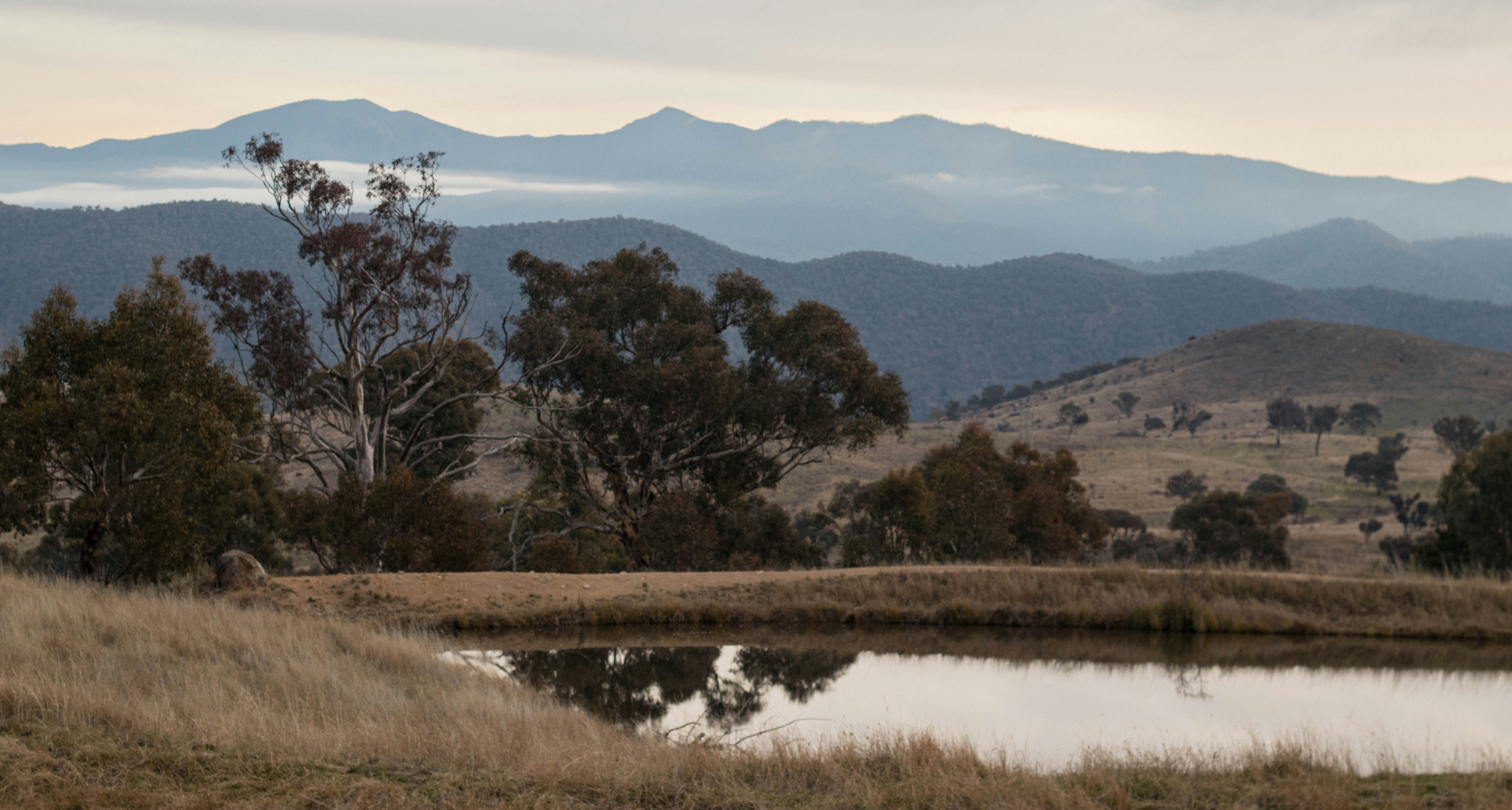
Autumn · Mar–May
The quietest window in most of the country, and the one that rewards river and farm-road driving.
Daylight — shortening week by week
Heat — gone from everywhere but the far north
Crowds — thin outside the short break
School holidays — one short autumn break
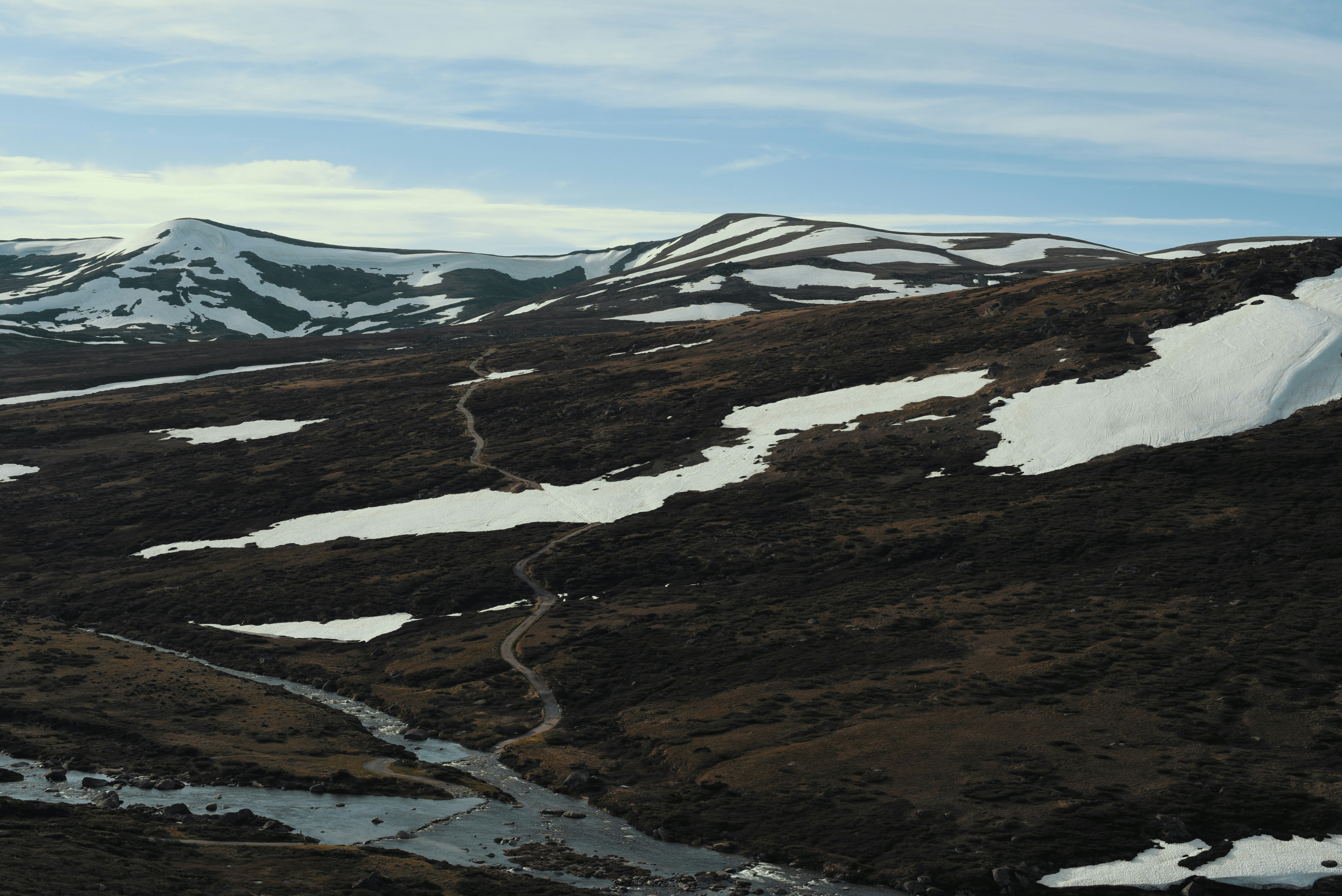
Winter · Jun–Aug
Two trips at once: cold high country in the south-east, open dry-season tracks in the north.
Daylight — short in the south, generous up north
Heat — none in the south, dry warmth in the tropics
Crowds — heavy wherever the dry season has opened
School holidays — the mid-year break
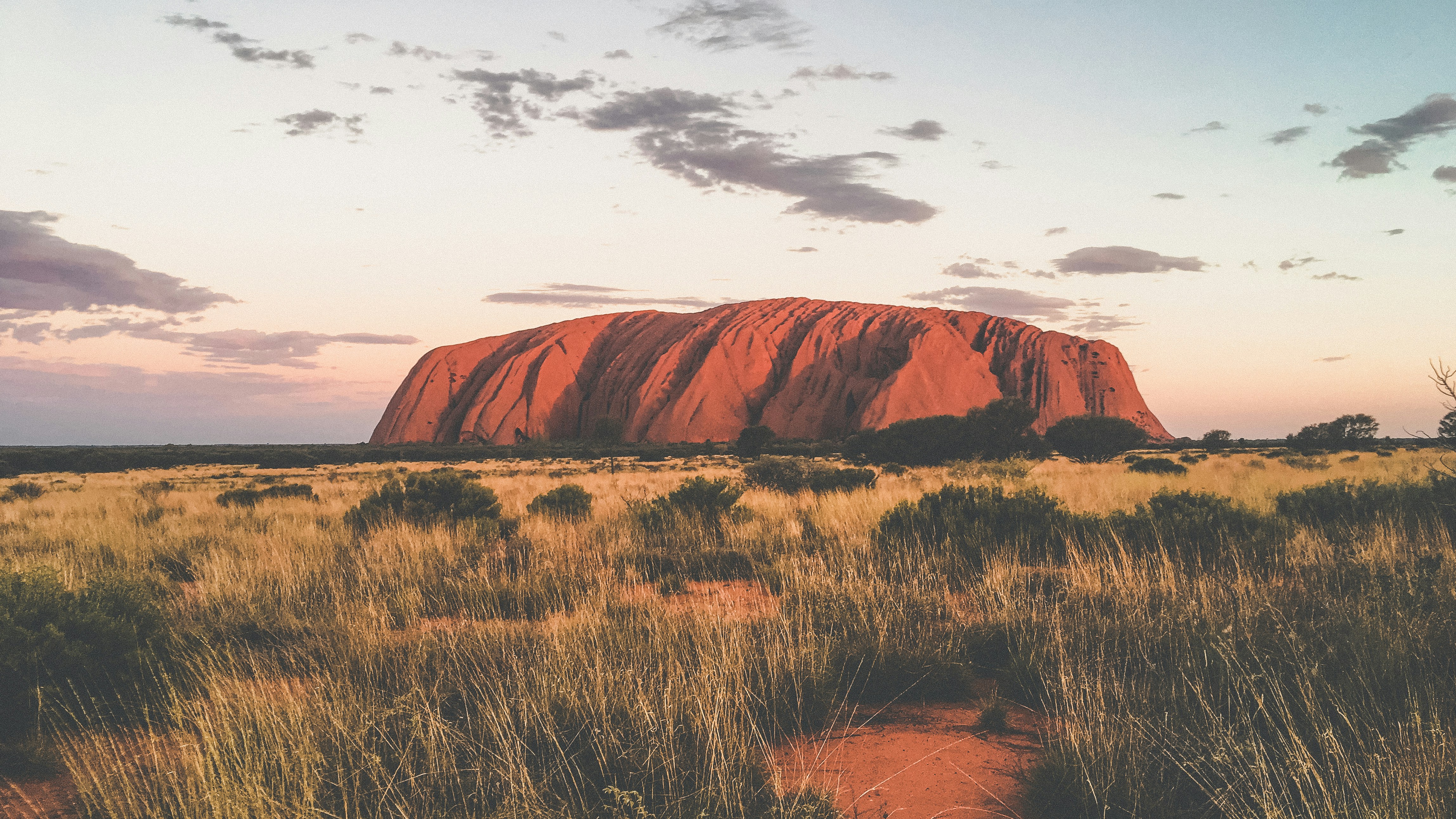
Spring · Sep–Nov
The interior’s season: walkable days, cold nights, and colour across the desert after rain.
Daylight — lengthening again
Heat — workable inland, and building
Crowds — moderate until the year-end rush
School holidays — a spring break before summer
Where this journal goes
A rough idea turned into a workable outline — including what it costs and what goes in the bag. Read the guide →
Weather, daylight, holidays and crowds, read as trade-offs rather than a single perfect month. Read the guide →
How distance behaves once you are actually driving it, and which drives deserve to be taken slowly. Read the guide →
Beaches, island groups and marine parks — plus the conditions that decide whether the day happens at all. Read the guide →
Remoteness, fuel and water, heat discipline, and why the interior asks for a different pace. Read the guide →
Two or three days used properly: orient fast, then pair the city with the region beside it. Read the guide →
The same destination changes shape depending on who is in the car and who gets to decide. Read the guide →
Fewer places, longer stays, money spent locally, and honest arithmetic about getting there. Argued beside the interior further down this page, and set out in full in the guide →
Trips and Tours is written, not sold. Nothing here is a departure, a package or an availability calendar — it is guidance for people planning their own trip.
Each heading opens the matching section of this page, and every line beneath it carries through to the full guide. Short arguments between the guides live in The Journal.
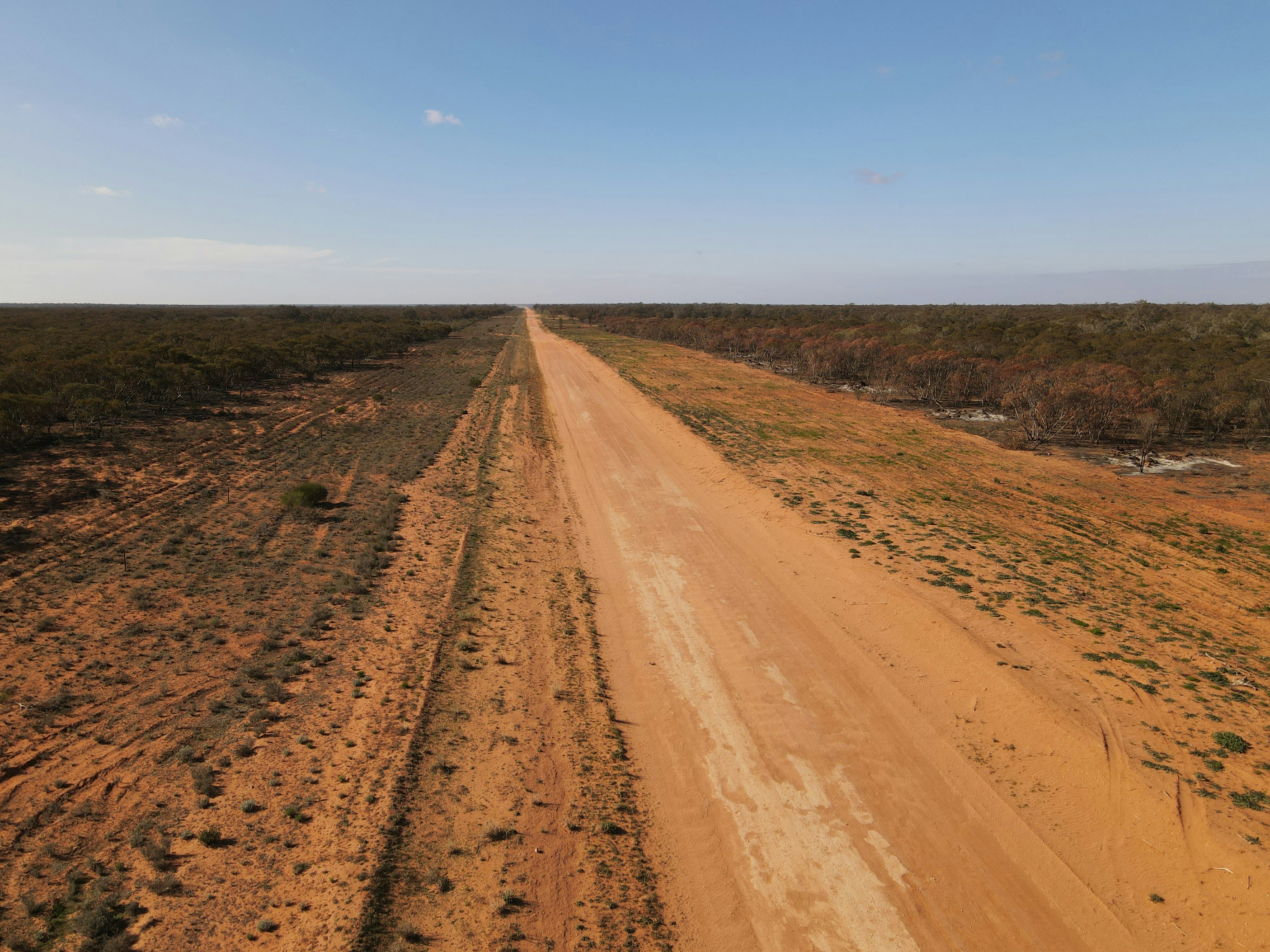
Australian Road Trips
Maps lie about Australian distance. A four-hour leg on paper becomes six with fuel, food, a roadworks stop and the ten minutes you spend standing beside the car because the light has gone gold. Plan the day around arriving before dark, not around kilometres.
Distance is a time budget
Assume an honest 80 km/h average on regional roads once stops are counted, and less on gravel.
Two nights beats one
A second night in the same town turns a drive-through into a place you actually remember.
Dusk is the real hazard
Kangaroos move at first and last light. Finishing the leg early is the cheapest safety decision you can make.
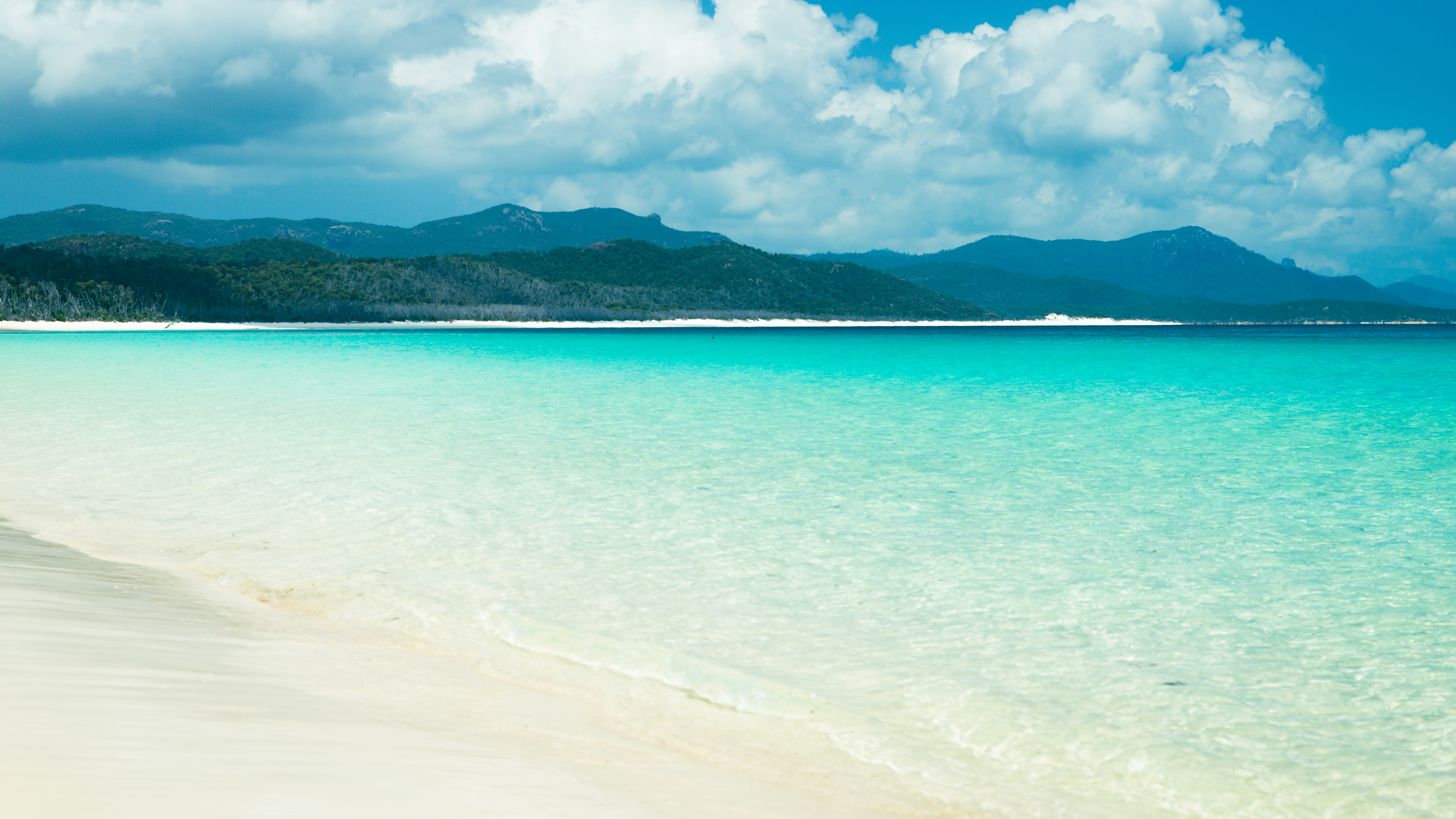
Shallow turquoise water against pale sand, forested shoreline beyond — a morning that happens only when wind and tide agree.
Coast and Reef
Coastal trips are decided by conditions more than by plans. Wind direction changes which beach is worth walking to, tide decides whether a headland walk is a stroll or a scramble, and a single day of swell can close a boat trip that looked certain a week earlier.
The fix is to keep the water day flexible and the land day fixed: hold one flexible morning for the reef, the island or the snorkel, and have a headland walk, a coastal town or a lookout ready to take its place. Nothing in the week should depend on the sea being calm on a particular afternoon.
What decides the day
Wind — an offshore morning is worth getting up for; onshore afternoons chop the water up.
Tide — check it before any rock platform, sandbar or long low-tide walk.
Access — some of the best beaches need a soft-sand track, a ferry, or a walk with no shade.
Reef care — reef-safe sunscreen, nothing standing on coral, and distance kept from anything that moves.
Outback and Red Centre
The interior rewards a slower plan than the coast, and punishes an optimistic one.
Water first. Carry more than the walk needs, and drink before you feel like it.
Fuel by leg, not by tank. Know where the next pump is and whether it keeps weekend hours.
Walk early. Most desert walking is a sunrise activity; the middle of the day belongs to shade.
Respect Country. Some places ask not to be climbed or photographed — the signs mean it.
Tell someone. Leave a route and a return time with a person who will notice.
Travelling Responsibly
Lower-impact travel is mostly a matter of doing fewer things properly.
Stay longer, move less. Three nights in one town beats three towns in three nights, for you and for the place.
Spend where you are. Local operators, local kitchens, local guides — the money stays in the region.
Keep to the track. Dunes, reef flats and alpine herbfields take years to recover from a shortcut.
Ask before you photograph. Cultural sites and people are not scenery.
Be honest about the flight. If getting there costs a lot of carbon, make the trip long enough to be worth it.
Cities and Short Breaks
A two- or three-day window is not a small holiday, it is a different craft. The trick is to stop treating a city as a list and start treating it as one neighbourhood plus one day trip.
Three moves that work
Orient on foot first. One long walk on arrival tells you more than an afternoon of research.
Pair the city with one region. A single day out — coast, ranges, wine country — gives the break its shape.
Leave the last afternoon loose. It is where the best part of most short trips ends up happening.
Read Cities and Short Breaks →
How to structure three days in a city →
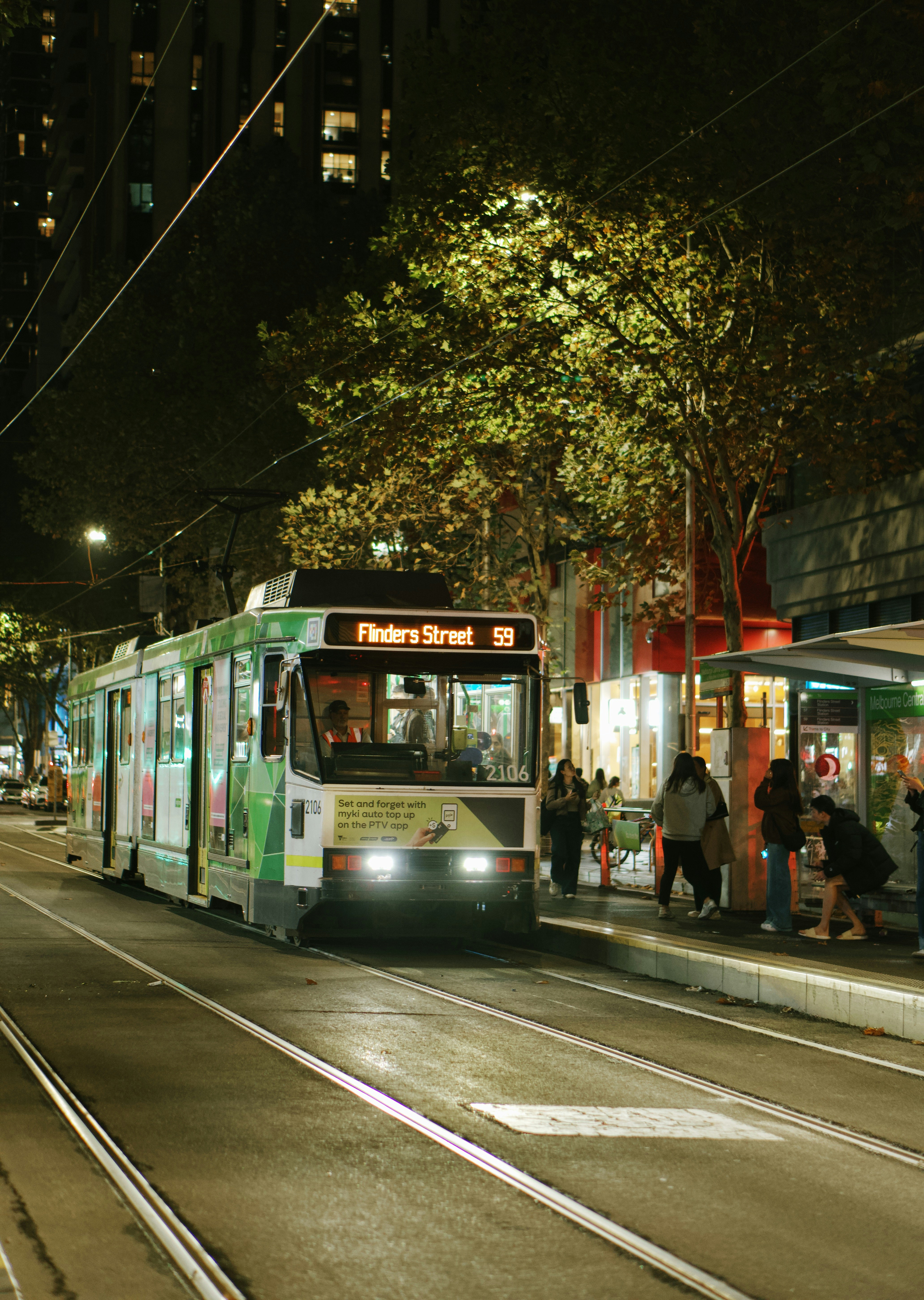
Travel Styles: Solo, Family, Group
Same road, same season, three different trips. Most planning arguments are really about pace and who gets to change the plan.
Read Travel Styles: Solo, Family, Group →
Notes on a first solo trip →
Travelling solo
You get total control of the schedule and pay for it in fixed costs — a room and a hire car do not halve. Build in company deliberately: a walking group, a hostel kitchen, a long counter meal. Keep someone informed of your route on remote days, and be stricter than usual about driving tired.
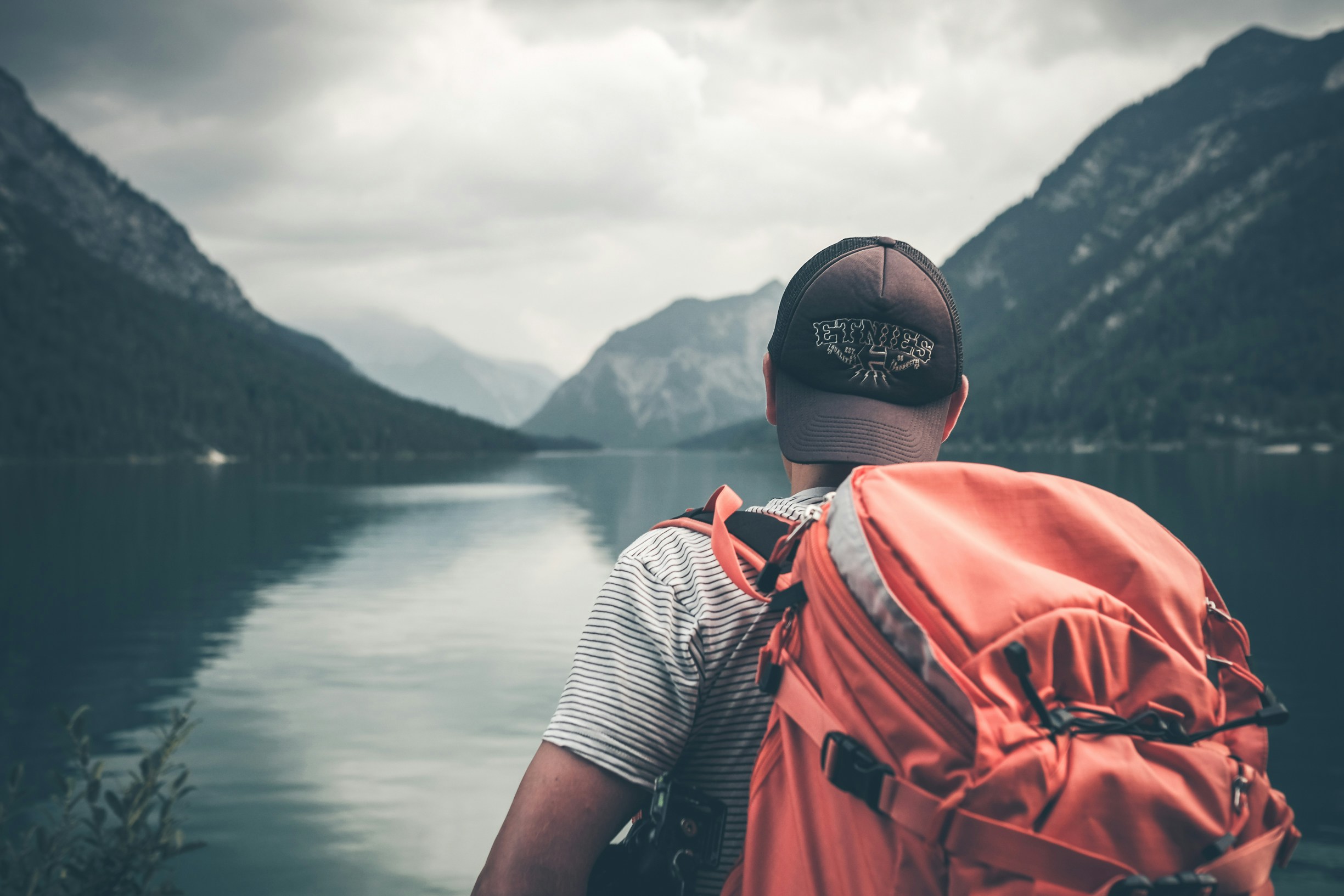
Travelling with children
Cut the daily distance you first wrote down by a third. Plan one thing per day and let the rest be pools, playgrounds and rock pools. School holidays decide the price and the crowds, so if you can travel in the shoulder weeks either side, everything gets easier at once.
Travelling as a small group
Groups save on vehicles and houses and lose time to decisions. Agree three things before you leave: who drives, how money is split, and that afternoons are free for people to go their own way. A daily reconvening point beats a shared itinerary.
Before you go
Turn a rough idea into an outline
Start with the window you actually have, then the season it falls in, then the region that season suits. Pick a maximum of one base per three nights, put the travel time between them on paper, and only then look at what there is to do. An outline that survives contact with a real map is worth more than a perfect list of sights.
Where the money actually goes
Transport and accommodation set the floor; food, entry fees and fuel decide the rest. Give every trip a contingency line you expect to spend — a tyre, a weather change, a night you did not plan. The cheapest real saving is fewer moves: each relocation costs fuel, a check-in and half a day.
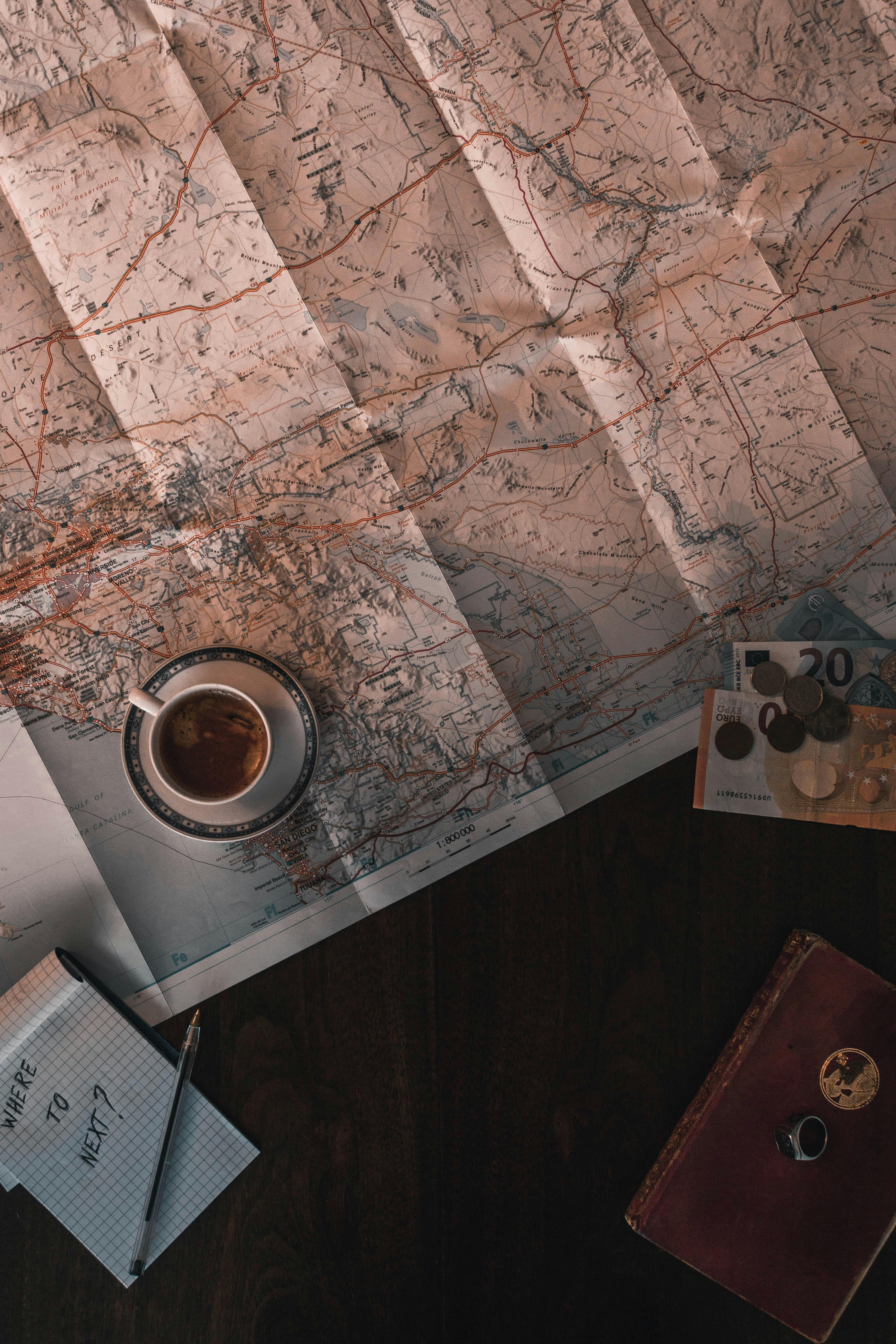
One bag, layered
Australian days swing hard: a cold dawn, a hot noon, a windy dusk on the same stretch of coast. Layers beat single heavy items.
Documents. Photos of licence, insurance and bookings stored offline as well as in the cloud.
Sun and insects. Broad hat, high-SPF sunscreen, repellent — shade is often not an option.
Connectivity. Download maps for any leg out of town; coverage disappears well before the scenery does.
Water and a spare snack. The two things people wish they had every single time.
Read Packing and Preparation →
Packing for changeable weather →

Contact and Enquiries
One form, three uses: a question about something you read here, a correction if we have a detail wrong, or a story suggestion for a region we have not covered yet.
Editorial and partnership enquiries reach the same inbox. We do not sell trips, hold rooms or take bookings — if that is what you need, the form is the wrong door.