An independent travel journal — go when the country is at its best.
Questions, corrections, story notes
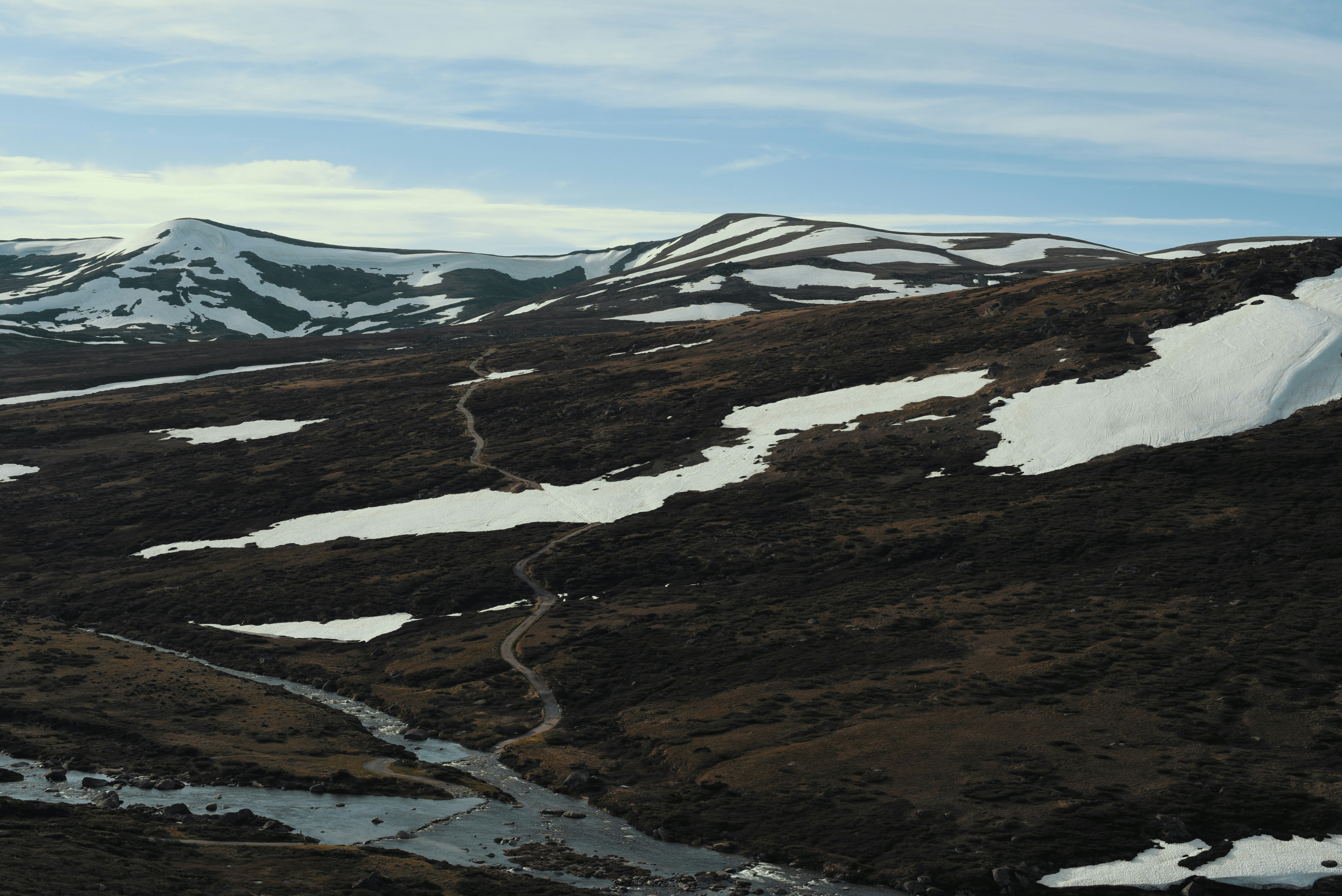
Not a route we are sending you to — a stock highland scene, chosen because it shows the problem in one frame: snow still holding in the shade while the sunlit half of the same slope reads mild. Which of the two you spend the afternoon in is decided by the wind, not the forecast.
Journal · Packing
Pack for the
swing, not for
the average.
A single day on the southern coast can hand you a summer morning, a cold front at lunch and a wind that takes the afternoon back down to something you need sleeves for. Alpine country does the same thing faster. The desert does it at both ends of the clock — the heat everyone plans for, and the night that catches people out.
This entry extends the packing guide into that specific problem: the layering logic that holds up, the three garments doing most of the labour, how long clothes really take to dry on the road, and what a single bag forces you to decide before you leave the house.
The average temperature
is the one that never happens.
A forecast gives you a range, and most people quietly pack for the middle of it. That middle is a fiction. If the day runs from a cold dawn to a warm afternoon, nothing you own is correct at both ends — and the garment chosen to be adequate across the whole span is usually too heavy to walk in by ten and not enough once the wind arrives.
Pack for the two extremes instead, and accept that you will be carrying something you are not wearing for part of every day. That is not waste; that is the system working. The bag is a wardrobe you take with you, and the point of it is that the answer changes three times before dinner.
The second half of the mistake is trusting a single number for a whole region. Coastal southern trips, high country and inland nights all swing hard, but they swing in different directions and at different hours. Read the shape of the day, not the headline figure.
IN THIS ENTRY
02 The three garments that earn their space
03 Coast, high country, desert night
A companion to the standing packing guide, written for trips where the weather moves inside a single day rather than across a season.
Three layers,
one job each.
Layering is not about owning more clothes. It is about being able to change your temperature in fifteen seconds, at a lookout, without opening the boot.
01
Next to skin: move moisture
The base layer’s only task is to stop damp fabric sitting against you when the temperature drops. Merino or a decent synthetic does this; cotton does the opposite, holding sweat and rain and turning a mild afternoon cold. This is the layer that decides whether the other two work.
02
Middle: trap air, come off first
Warmth comes from trapped air, not thickness, which is why two thin layers usually beat one bulky one. Keep the mid-layer easy to remove and easy to stuff, because it is the piece you take on and off most often — five or six times on a walk that starts in shade and ends on an exposed ridge.
03
Outside: stop the wind
Most days people describe as freezing were simply windy. A shell that blocks wind and sheds rain does more for comfort than another jumper, and it does it while weighing almost nothing. Regulate by removing layers rather than by carrying a heavier coat you cannot adjust.
Three garments do
most of the work.
If a trip crosses two climates, these are the pieces worth choosing carefully and the ones worth spending on. Everything else in the bag can be ordinary.
A hooded wind-and-rain shell
Packs to the size of a water bottle and changes the character of every exposed hour — headlands, jetties, high ground, the walk back to the car. The hood matters more than the fabric name; a jacket you have to hold shut at the neck is a jacket you stop wearing.
A mid-weight wool or fleece layer
Worn over the base, under the shell, and on its own at dinner. It should still be warm when slightly damp and it should compress enough to live in a daypack all day without anyone resenting it.
A long-sleeve merino base
Sun cover in the middle of the day, warmth after dark, and it can be worn several days without becoming unpleasant — which is what makes one-bag travel possible in the first place. Two of these replace half a stack of shirts.
The cheap fourth item: a warm beanie and a spare pair of dry socks. Together they weigh nothing, cost little, and rescue more evenings than any jacket in the bag.
Coast, high country,
desert night.
Coastal southern trips. The swing is wind and water, not degrees. Mornings are still, afternoons are not, and everything exposed feels colder than the number suggests. The shell earns its place here every single day.
Alpine and high country. Sun and shade are two different climates within one hour, and weather arrives from a direction you cannot see. Carry the warm layer even on the walk that looks short and obvious.
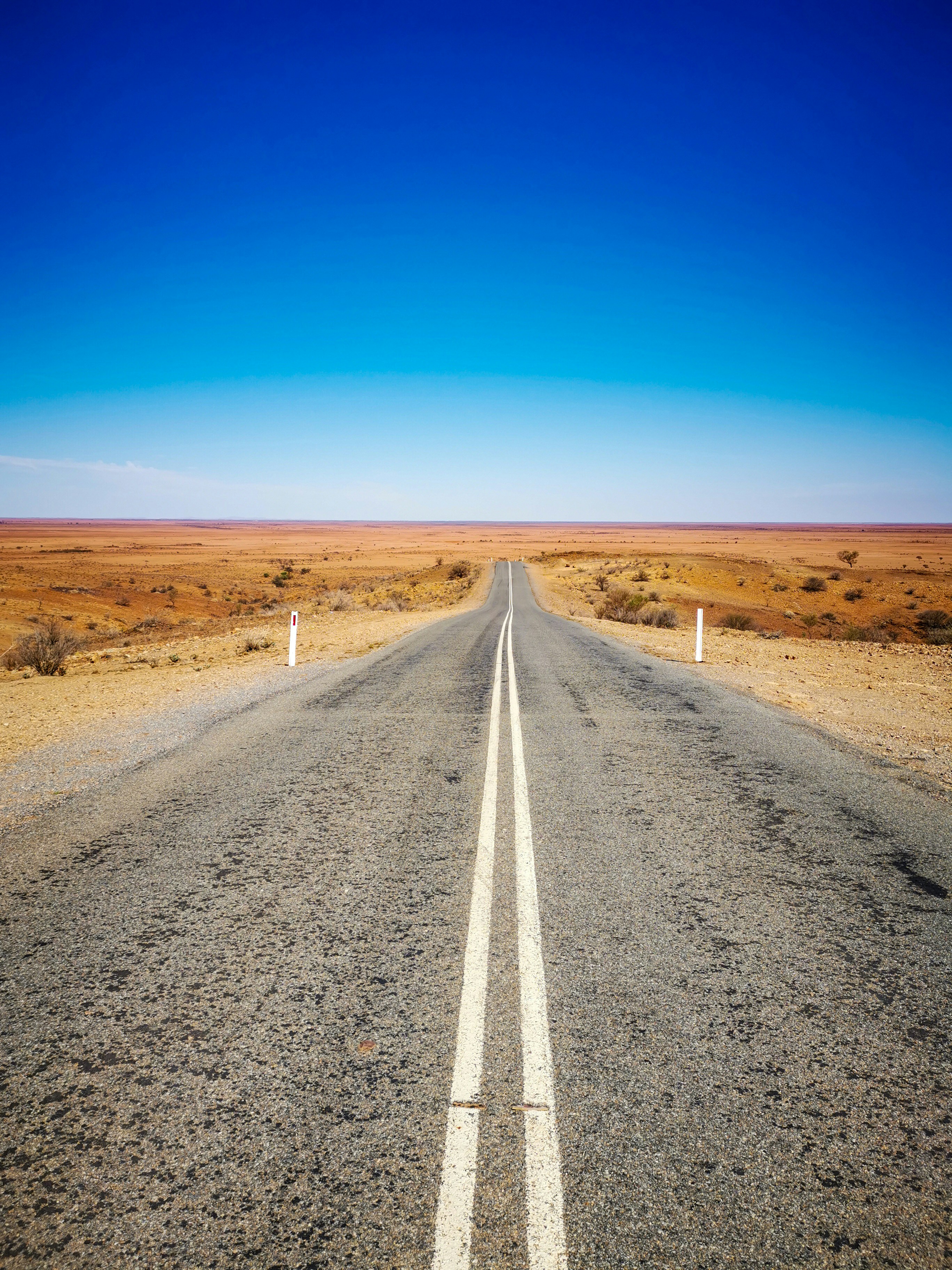
Inland and desert nights. Clear skies give the heat straight back after sunset. People pack for a forty-degree afternoon and then sit outside in something close to single figures, wearing everything they own.
Drying time is the
real constraint.
The limit is not what you own. It is how fast a garment comes back into service.
Nothing shortens a trip’s wardrobe faster than a garment that stays wet. Denim and heavy cotton can take more than a day in cool, humid coastal air, and longer again folded in a car; wool and synthetics are usually wearable by morning. That one difference decides how many changes you actually have to carry.
Wash small and often rather than saving it up — one item in a sink, wrung out inside a towel, hung where air moves rather than where it looks tidy. In humid weather assume things dry slowly and plan a two-day rotation. In dry inland air, assume the opposite and let the evening do the work for nothing.
Wet boots are the exception worth respecting. They dry on their own timetable and no amount of planning speeds them up, so keep something else you can put on — even if it is only sandals for the walk to breakfast.
ROUGHLY, BY MORNING
Merino or synthetic base — usually wearable again after a night indoors.
Light fleece — a night if the air is moving, two if it is not.
Denim and heavy cotton — over a day in humid coastal air, worse in a packed bag.
Socks — quick, which is why two dry pairs are worth their space.
Boots — their own timetable. Plan around them, not for them.
One bag forces
the decision.
A bag with a hard limit is not a hardship, it is an editor. Every garment has to answer the same question — does this cover a condition nothing else in here covers? The just-in-case shirt fails that test, and so does the second jacket that overlaps the first.
Carry it yourself. What you can lift over your head and up two flights without thinking about it is the real limit, not the size printed on the label.
Build around three. One warm layer, one shell, one base that repeats. Everything after that is a preference rather than a provision.
Two pairs of shoes at most. One you can walk all day in, one light thing to change into at the end of it.
The reward shows up on the road. Less to repack each morning, less spread across the back seat, and a bag you can carry into a room in one trip on a wet night.
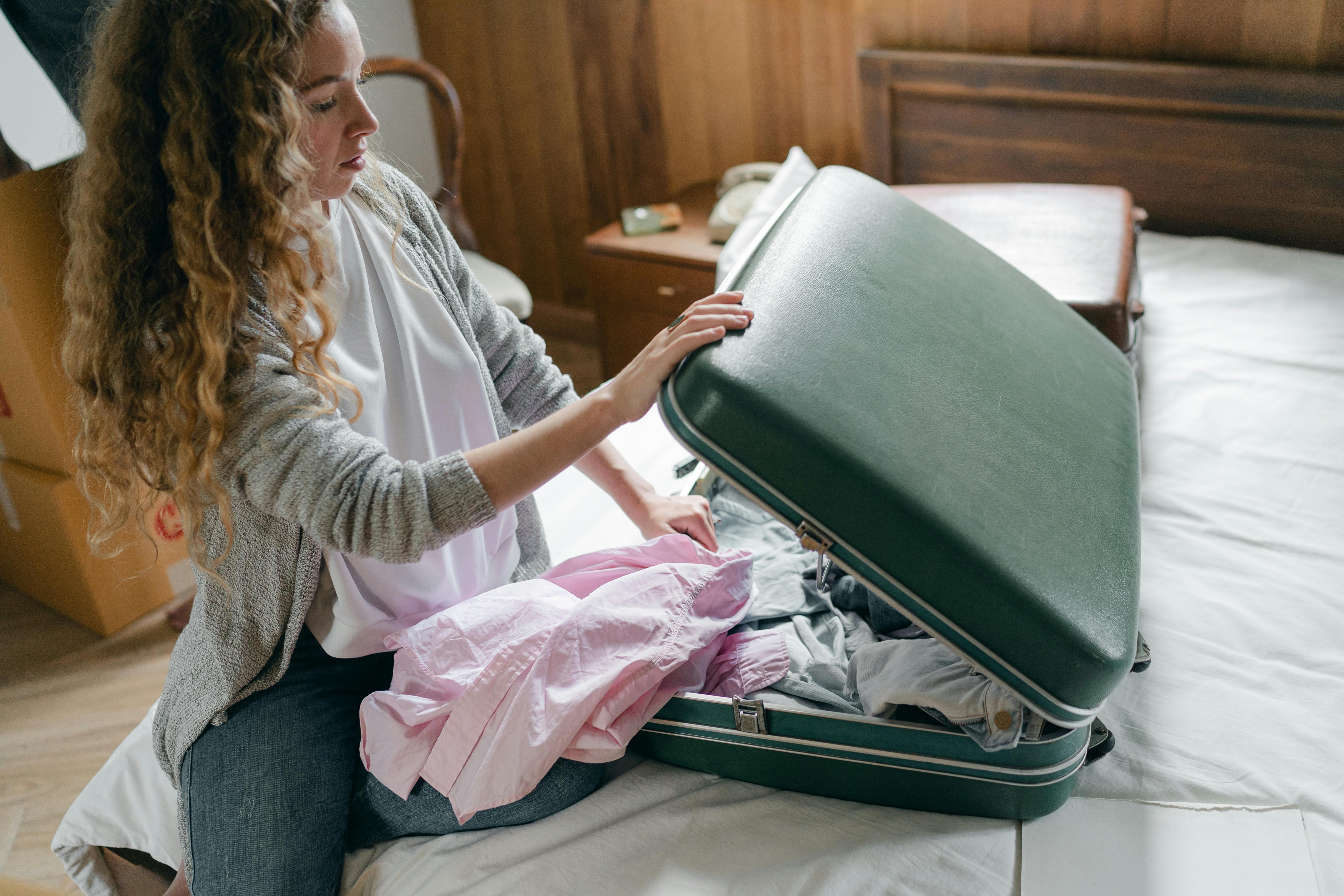
One case open, a finite amount of room in it, and every garment having to argue that it covers a condition nothing else in there covers. The just-in-case shirt loses that argument every time; the warm layer, the shell and the base that repeats never have to make it.
Where this entry
sends you next.
If a line here does not match what you found on the ground — a region that swings harder than described, or a layer that solved something we have not covered — corrections and story suggestions go to the same form as editorial enquiries, and they are what gets a page revised.
READ NEXT
CHAPTER 09 Packing and Preparation — the standing guide this entry extends: luggage, documents, connectivity, sun and insect cover, and a pre-departure check that works at any trip length.
CHAPTER 02 When to Go: Seasons and Timing — how daylight, heat and crowd patterns move through the year, and why the month you choose changes what you have to carry.
CHAPTER 03 Australian Road Trips — how distance behaves in practice once a front comes through and the afternoon leg stops being pleasant.
REGION 04 Travelling in Tasmania — short kilometres, long hours, and a single day that routinely runs through three sorts of weather.
REGION 03 Travelling in Victoria — cold water on one side, cold air on the other, and the reason the forecast there is a suggestion.
JOURNAL The Journal — the rest of the short entries, grouped by the guide each one argues with.