An independent travel journal — go when the country is at its best.
Questions, corrections, story notes
THE JOURNAL, IN PLAIN TERMS
A travel journal that starts with when, not where.
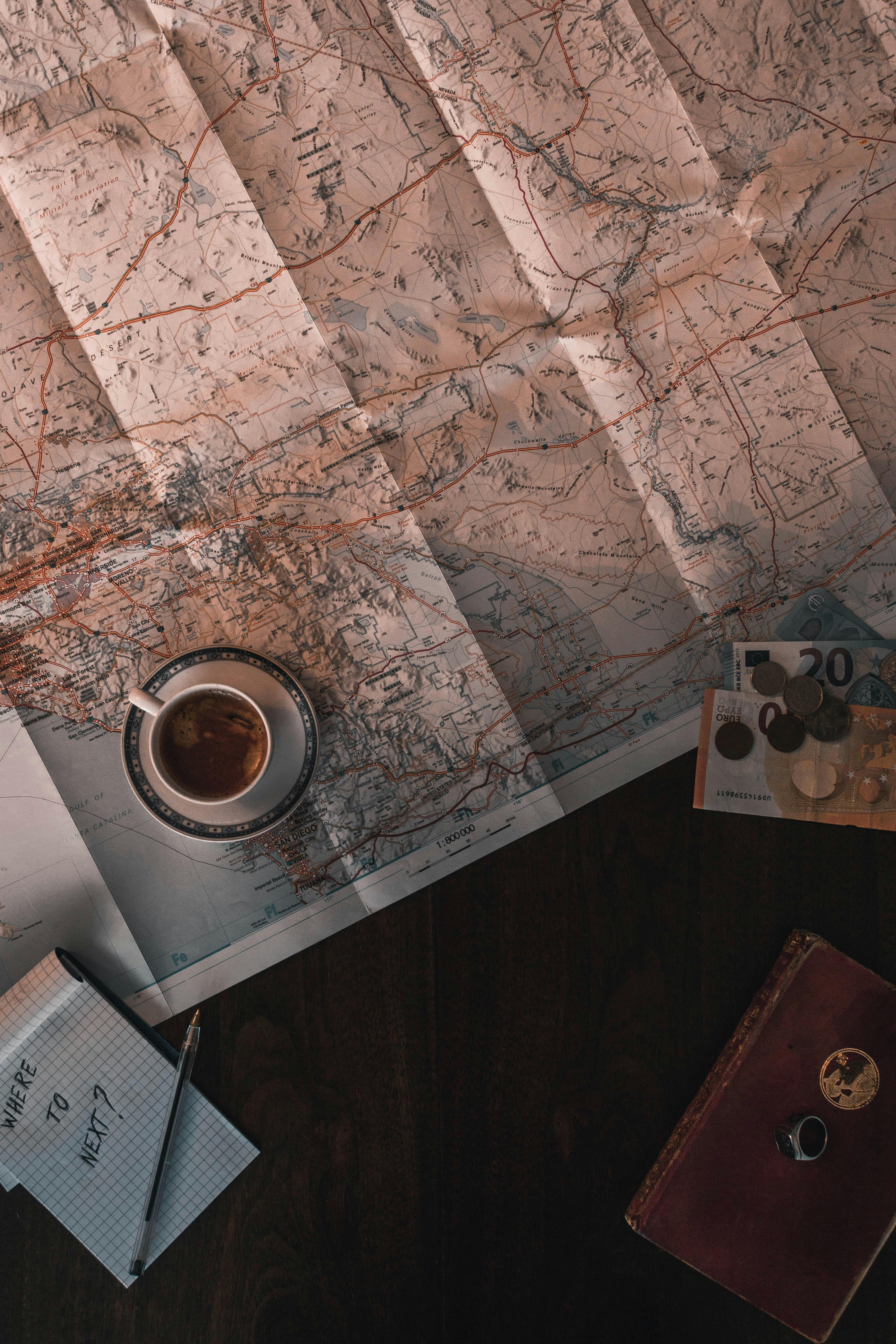
Trips and Tours is an independent English-language journal about travel in Australia and the trips Australians take. It is written to be read at the stage pictured above — map open, nothing booked — while the month, the route and the pace are all still open.
What this is
A discovery journal, not a sales counter. Every page here is guidance: how a region actually behaves, when it is at its best, how long the driving really takes, what a week of it costs in daylight and in patience.
Trips and Tours is not a booking agency. Nothing on this site departs, sells out, holds a seat or takes a deposit. There is no second screen where a price appears. The writing is the whole of it, which is why we can tell you that a stretch of coast is better skipped in January, or that the trip you already had in mind is the right one and needs no additions.
Read a topic hub, follow the timing notes, then plan it yourself. If something here is wrong, unclear or out of date, the contact form is the way to say so.
IN SCOPE
- Trip Planning Basics — turning a vague idea into an outline
- When to Go: Seasons and Timing
- Australian Road Trips and how distance behaves
- Coast and Reef, Outback and Red Centre, Cities and Short Breaks
- Travel Styles: Solo, Family, Group
- Budgeting a Trip and Packing and Preparation
- Travelling Responsibly
POSITION
Why a journal, and not a booking counter
A page with something to fill will always be tempted to answer now. We would rather answer in April, and then explain what April costs you in daylight, in heat, in school-holiday traffic and in the price of a night’s sleep.
That is the whole reason the site is built around timing. Choose the window first and the destination list narrows honestly; choose the destination first and the calendar has to be argued with for the rest of the trip. Seasons are trade-offs, not winners, and a good month for the reef is rarely the good month for the Red Centre.
Because nothing here is being sold, the awkward advice survives editing: skip it this year, drive it in two days instead of one, stay a fourth night rather than adding a fifth town.
GROUND COVERED
How far the map goes
The subject is Australia — all seven states and territories, treated at the scale a traveller meets them rather than the scale of a tourism board.
- Queensland, New South Wales and Victoria for coast, capitals and the drives between them
- Tasmania and South Australia for cool-weather touring and short, dense loops
- Western Australia and the Northern Territory for distance, remoteness and the discipline the interior asks for
Regional pages describe character, timing and practicalities. They do not schedule anything.
Nothing on this site is sold or scheduled, so a guide stays free to say: skip it this year, wait for the month after, or go anyway and pack for rain.
READERSHIP AND LANGUAGE
Who it is for, and how it is written
Two things decide whether a page here earns its place: the reader it is written for, and whether the language stays plain when the honest answer is inconvenient. The two panels beside this take each in turn.
WRITTEN FOR
Readers who intend to plan it themselves
The person with a fortnight, a rough direction and no fixed idea of the month. The family working backwards from term dates. The friend group trying to reconcile four budgets. The first-time solo traveller deciding how much company they actually want.
Start where the question is loudest: timing, budget or who you are travelling with.
HOW IT STAYS USEFUL
Plain language, and no seat to fill
Guidance is written to be argued with: conditions, distances and seasonal trade-offs stated in ordinary words, with the reasoning visible so you can disagree and still plan well.
Where something depends on the year, the weather or the operator on the day, we say so instead of rounding it into a promise. Corrections sent through the contact form are checked against the published source before a line changes.
METHOD
How the scope was drawn
One subject — travel — and a decision to organise it the way a trip is actually decided, in three moves.
The window before the map
Seasons, daylight and holiday periods sit at the front of the journal because they decide more of a trip than any single sight does. See When to Go: Seasons and Timing.
Regions at the pace they are travelled
Coast, interior, capital and alpine country are covered separately because they reward different speeds. Distance is described in hours behind a wheel, not in kilometres alone — as in How Far to Drive in One Day.
The practical layer, kept last
Money, luggage and conduct on Country come after the shape of the trip exists, because they are easier to answer once the month and the route are settled. See Budgeting a Trip, Packing and Preparation and Travelling Responsibly.
Where to start reading
- Trip Planning Basics — sequencing stops and allowing travel time between them
- The Case for the Shoulder Season — the argument for going a month early
- Planning Around School Holidays — reading the calendar before the map
- How to Structure Three Days in a City — using a short window well
- Respect on Country in Remote Travel — conduct in the interior
- Trip Records — the format we use to write a route down afterwards, and what it leaves out; nothing is filed there yet
- The Journal — shorter notes as they are written
ON INDEPENDENCE
Nothing on this site is a departure, an availability or an offer. Corrections are checked against the published source before a line changes; send one through the contact form.
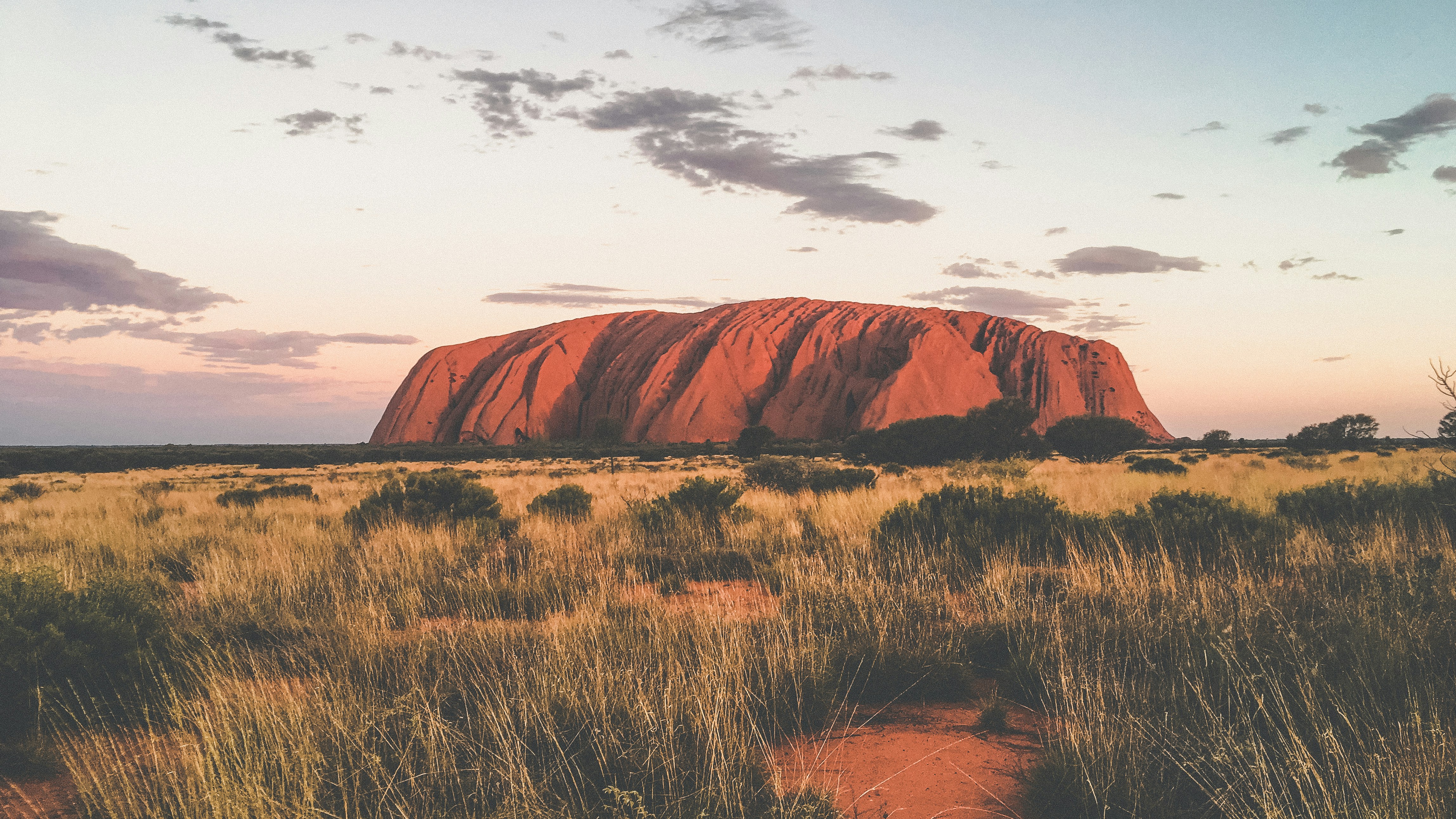
Photography illustrates the landscapes and conditions being described; it is not a record of a specific trip.
Questions, corrections and story suggestions
One form covers all of it: a question about timing you cannot resolve, a detail on a page that has changed on the ground, a region you would like covered, or an editorial enquiry. Tell us the subject and the rough shape of the trip you are thinking about, and the reply will point you at the right pages.
WHAT THE FORM IS FOR
Questions a guide left unanswered, corrections where a detail has changed on the ground, and suggestions for a region or subject worth covering. Editorial enquiries reach the same inbox.
Nothing here is sold or scheduled, so no trip details are needed — a subject line and a sentence of context are enough. Messages are held in this site’s own system and used only to reply to you.
Common questions are answered first in Reader Questions, and the editorial approach is set out in How We Research and Write.