An independent travel journal — go when the country is at its best.
Questions, corrections, story notes
Who you go with
changes the trip
more than where.
A destination is not a fixed thing. The same week on the same coast reads as freedom, as logistics, or as negotiation depending on whether you are alone, travelling with children, or moving as a group of adults with a group of opinions.
Travel Styles: Solo, Family, Group is the cross-cutting page we send readers to once the region is settled. It covers pacing, decision-making, how money behaves, comfort thresholds, safety and the downtime every plan quietly deletes first.
FOUR WAYS TO READ ONE DESTINATION
01 Solo — freedom and its friction
02 Families — the attention economy of a day
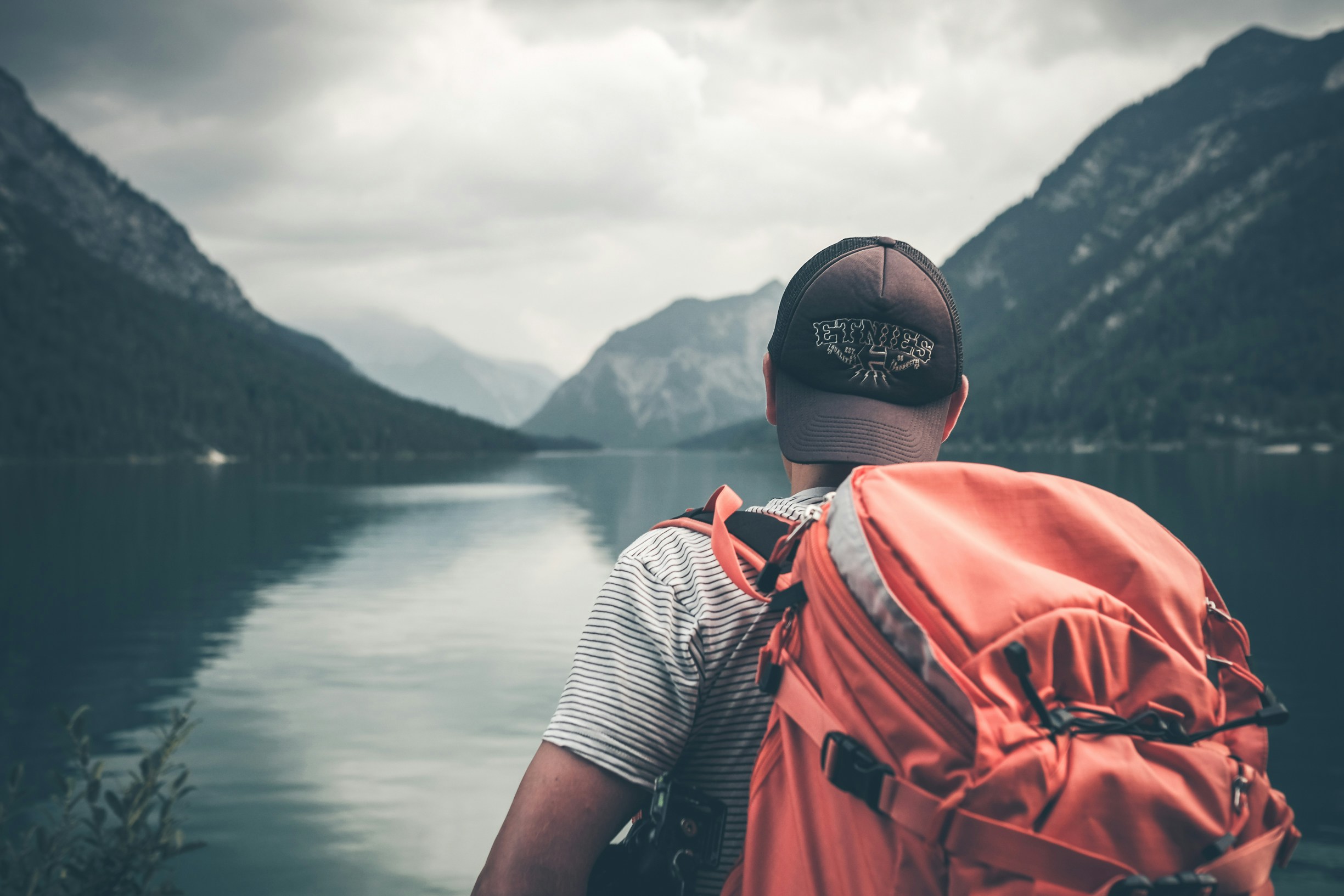
Freedom, and the friction underneath it.
Alone, the plan can change at ten in the morning and nobody has to be told. You stay an extra night because the light was good; you skip the famous lookout because the queue was longer than the walk. Most people who travel solo once do it again for exactly this reason.
The friction is that every decision is yours, including the tired ones. By day five, choosing where to eat can feel heavier than choosing the route did. The practical fix is to make the boring decisions in advance — the base town, the two long drives, the rest day — and leave the improvising for the parts you actually enjoy improvising.
Money behaves differently too. Fuel, a room and a hire car do not halve when the party does, so a solo day usually costs more per person than the same day shared. Longer stays in fewer places pull that number back down faster than cutting meals does.
Then there is the evening. Small towns close early, and the hours after dinner are the part of solo travel people rarely plan for. Accommodation with a shared kitchen or a common room, a book you actually want to read, and a route someone at home knows about all do more work than they look like they should.
WHAT TO SET BEFORE YOU LEAVE
A base town for every three nights, so you unpack more than you drive.
Two fixed long-drive days, chosen while you are rested rather than mid-trip.
One person at home who knows the rough shape of the route and the days without signal.
A daily budget built on shared costs you are not sharing.
An evening plan for at least half the nights — a walk, a swim, a pub with a kitchen.

The real budget is attention, not money.
Travelling with children does not shorten the trip; it shortens the day. A family day holds one anchor — a beach, a gorge walk, a museum, a ferry — plus the ordinary business of food, naps and getting wet. Everything else on the list is a bonus, and treating it as a bonus is what stops the afternoon falling apart.
Drive legs are where good family plans usually break. The distance an adult accepts without complaint is roughly double what a car full of children will tolerate, so split long transits over two days or build them around an obvious mid-route stop with shade and space to run.
Comfort thresholds are non-negotiable in a way they are not for adults: heat, sun, insects and hunger all arrive earlier and louder. Water fixes an extraordinary number of afternoons, which is why coastal and river routes forgive a loose plan more than inland ones do.
Timing matters more here than for any other style, because school holidays decide both when you can go and how many other families are going with you.
Groups fail on negotiation, not on distance.
A group trip runs at the pace of whoever is least comfortable, and it spends its energy on decisions rather than on kilometres. Four people choosing dinner in an unfamiliar town can burn an hour that the drive did not. Settle the mechanics before departure and the trip stops feeling like a committee.
01 · Decide how you decide
02 · Make money invisible
03 · Write one spine per day
04 · Schedule time apart
Adjusting the budget and the bag
What the budget does
Solo travel pays full price for shared things; families pay for volume and for entry fees; groups pay for coordination and for the nights nobody wants to cook. The line item that moves most is accommodation, and the lever that works for every style is staying put longer.
Method and structure in Budgeting a Trip, with the trade-offs in Cutting Costs Without Cutting Days.
What the bag does
One person carries everything and therefore carries less. A family carries spares, snacks and a change of clothes for weather that has not happened yet. A group can divide the heavy shared items — a stove, a first-aid kit, a tarp — so long as somebody says out loud who has what.
Layering, documents and checklists in Packing and Preparation, and the changeable-weather case in Packing for Changeable Weather.
Say who is travelling and
what is still undecided.
Trips and Tours is an independent journal rather than a booking counter: we publish the reading and you keep the decisions. A short note on the party, the rough window and the region you keep circling is usually enough for us to reply with the two or three chapters that settle it — and to correct this page wherever it falls short of the road. The enquiry form on Contact and Enquiries is the one way in; it asks for a name, an address to reply to and the question itself, with a few optional fields there if they help.
Continue through the almanac
Four chapters carry on from this one, stepped in the order the journal keeps them. Read the timing before the region, and the region before the kit.
Questions other readers have already sent are collected in Reader Questions.