An independent travel journal — go when the country is at its best.
Questions, corrections, story notes
Routes written down
the way they were
actually travelled.
A Trip Record is the long-form counterpart to our guides. A guide tells you how a region behaves in general; a record follows one route from start to finish and reports what the shape of it, the season it fell in and the pace it was driven at did to the days inside it — including the stretch that got cut on the third morning.
No Trip Records are published yet. This page sets out the format rather than indexing an archive: what a record contains, how it is logged and written, and what it deliberately leaves out. The first one will be listed here once a route has been travelled end to end.
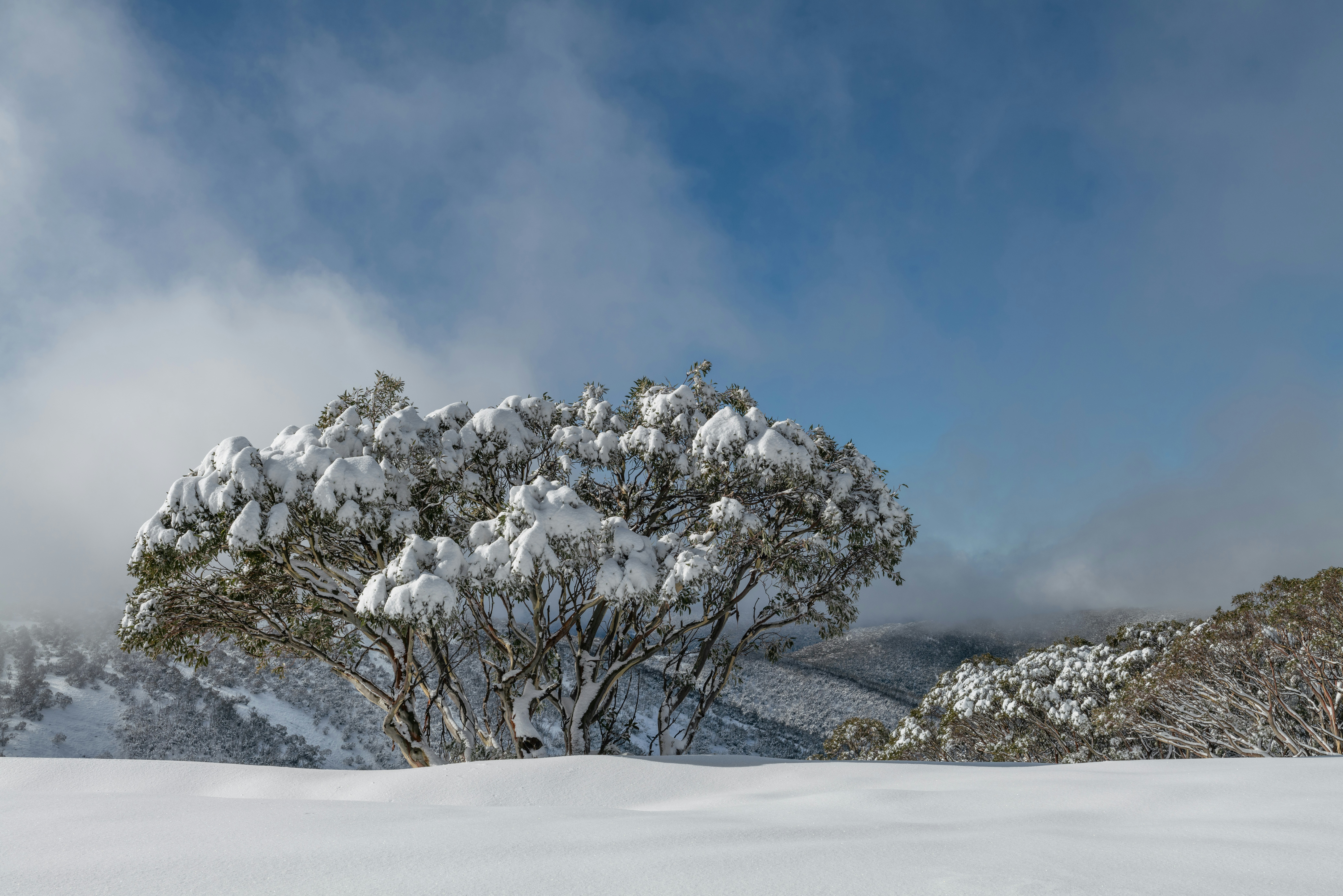
Library photograph, not a scene from any record — none are written yet. It stands in for the first thing a record fixes: the window it was travelled in. The same road in a cold month is a different record, with different daylight, different surfaces and a different pace.
One journey at a time,
in the order it happened.
Records are documentary, not promotional. They cover one journey at a time, in the order it happened, with the hours and distances as they ran rather than as they were planned. Where an intention changed on the road, the record says so and says why — heat, closure, tiredness, a town that turned out to be worth a second night.
They exist because the most useful thing we can hand a reader planning the same country is not a highlight reel but a working account of how a route behaved under one particular set of conditions, and which of those conditions would change the answer.
Route shape. Loop, spine or out-and-back, and where it doubles.
Season. The month it was travelled and what that month was doing.
Pace. Nights per stop and hours behind the wheel each day.
Style. Solo, family or small group, and how that set the decisions.
Each record then closes with a written account of what was cut — a narrative section, not a fifth fixed field.
Every record
answers the same
four questions.
The four fields are fixed so that two records can be read against each other. A March coast run and a July inland leg are not comparable as scenery, but they are perfectly comparable as pace, daylight and the amount of ground a day can absorb.
Every record then closes with a written account of what was cut, and the reasoning behind each decision sits alongside it.
THE FOUR FIXED FIELDS
Route shape — the geometry before the names. Whether the drive is a loop that never repeats a road, a spine you come back down, or a base with day trips radiating out of it, because that choice does more to the trip than the individual stops do.
Season and window — the month, the daylight it gave, the temperature range, the school-holiday overlap and the crowd pattern that came with it. Every verdict in a record is tied to this window and reads differently outside it.
Pace — nights per stop, driving hours per day, the days that were too long and the ones with slack left in them. This is where most planning goes wrong and where records earn their keep.
Style — who was travelling. Solo, a family with children in the back, or a small group splitting the driving: the same road produces three different trips, and the record names which one it is describing.
AND THEN, WHAT WAS CUT
The leg dropped — which stretch came out of the route, how far into the trip the decision was made, and what forced it: heat, a closure, or a day that had already run long.
The detour skipped — and what the hours it would have taken were spent on instead.
The town given away — traded to buy a second night somewhere better, set out with the reasoning, so you can decide whether the same trade suits you.
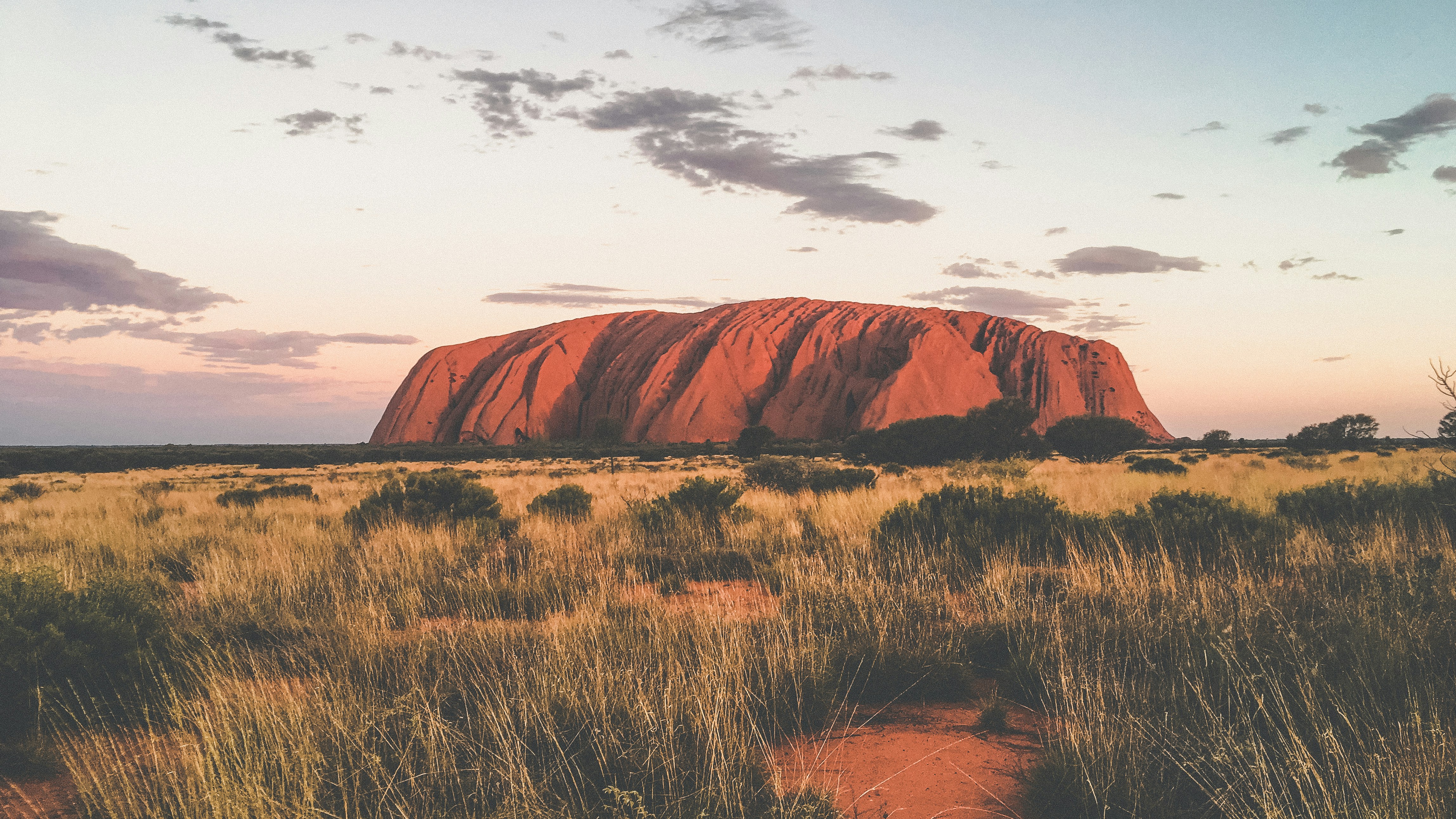
A library photograph of inland walking country — not a scene from any record, since none are written yet. It stands in for the kind of country a record describes, not a named route or a leg anyone has driven for us.
Logged on the road,
written afterwards.
On the road. Departure and arrival times, odometer distances, fuel and water stops, the hour the light went, road surface and any closure or detour. Notes are taken the same day, because a week later the drive that felt long and the drive that was long have merged into one memory.
At the desk. The log is checked against public sources — distances, park access rules, seasonal closures, opening periods — and anything that cannot be verified is written as a personal impression rather than a fact. Opinion is marked as opinion in the sentence itself.
After publishing. Records carry the month and year they were travelled and are revisited when conditions change materially. Corrections from readers who know the road better are welcome and are credited in the text when they change it.
What a record
carries, and what
it leaves out.
Both halves of this ledger are settled before a route is driven, so a record cannot quietly turn into a recommendation on the way home.
IN EVERY RECORD
A map you could redraw — the sequence of stops with the legs between them named and measured.
The real day lengths — hours driven, not kilometres divided by a speed limit.
Conditions as met — heat, wind, rain, dust, cold nights, and what they changed about the plan.
The cuts and the reasons — what came out of the route and what it bought.
A dated window — the month and year travelled, stated up front, so you can judge how far the account travels.
KEPT OUT BY DESIGN
Prices and quoted costs — money is handled generically in Budgeting a Trip, not as figures attached to a route.
Arranged or sponsored stops — nothing enters a record because someone wanted it there.
A bookable version — records describe journeys; they are not departures, dates or itineraries for sale.
Scores and league tables — no ranked beaches, no starred towns, no best-of ordering.
Reconstructed days — a leg that was not travelled does not appear as though it was.
Nothing is filed yet. The first
record follows the first route
travelled end to end.
The format will set its own pace. A record is published only once the route behind it has been driven, logged and checked, so they will arrive in the rhythm of the travelling year rather than on a content schedule. There is no back catalogue waiting behind this page and no record route to follow yet; when the first write-up goes up it will be listed here and will carry the month and year the route was driven, and any later revision will be dated in the same place.
Until then, the reading that does the same work is in The Journal, where shorter pieces such as How Far to Drive in One Day, The Case for the Shoulder Season and Planning Around School Holidays take a single question apart, and in the standing guides that carry the practical weight for each kind of country.
The guides each record
leans on.
Australian Road Trips
How distance behaves in practice, and which drives are worth doing slowly. Read the guide →
When to Go: Seasons and Timing
Weather, daylight, holidays and crowds — the window that dates every record. Read the guide →
Outback and Red Centre
Remoteness, heat, fuel and water spacing, and respect for Country. Read the guide →
Coast and Reef
Conditions, access and reef-safe behaviour on water-led legs. Read the guide →
Cities and Short Breaks
Using a two- or three-day window well, and pairing a city with its region. Read the guide →
Travel Styles: Solo, Family, Group
Why the same route becomes three different trips depending on the car. Read the guide →
Each record leans on the standing guides rather than repeating them, so the write-up can stay with the journey itself and send you sideways for the practical detail.
The publication is independent: nothing is placed, hosted or commissioned, and no link on this site earns a commission.
Tell us which road
is worth the logbook.
Records are logged after the driving, so the useful message is which road is worth the logbook and why. Which road gets logged next is decided by coverage gaps, season and access — suggestions sent through the form are one input into that.
The same form carries reader questions and corrections. Nothing is filed here yet, so corrections belong to the guides for now: name the guide and the line that reads wrong against the road you have actually driven, and it will be checked against the source it came from. Once records are published, corrections to them arrive the same way.
Nominate a road worth logging, and say why it repays the drive. Naming the direction you would take it and the month you have in mind helps more than a long list of stops.