An independent travel journal — go when the country is at its best.
Questions, corrections, story notes
Reader questions · Answered plainly
The questions
this page
answers plainly.
Eight questions, answered in the order they usually matter: whether we sell trips, how the topics get chosen, who pays for what, how current the guides are, how to flag an error or suggest a region, whether any of it works for a visitor arriving from overseas, what to do when the dates are already fixed and the season is not negotiable, and which page to open first. The answers are short. Where a fuller explanation exists elsewhere on the site, the answer points at it rather than repeating it.
ON THIS PAGE
01 — 03 What this publication is
Do you book or sell trips? · How are the topics chosen? · Is anything here paid for?
04 — 05 Currency, and corrections
How often are the guides updated? · How do I suggest a region or correct an error?
06 — 07 Using the guides in practice
Do the guides suit visitors from overseas? · What if my travel window is already fixed?
Nothing on this page is a schedule or an offer. Dates, permits, closures and opening hours belong to the authorities and operators who set them, and they change.
A journal, read
from the road.
Trips and Tours is an independent travel discovery journal covering Australia and the trips Australians take. It exists to help you decide where to go and how to organise it yourself — which season suits the country you have in mind, how far a driving day really stretches, what a coast trip asks of you that an inland one does not.
That single purpose explains almost every answer below. If a question is about choosing, sequencing or timing, there is a guide for it. If a question is about seats, beds or dates, it is a question for the operator or authority who controls them.
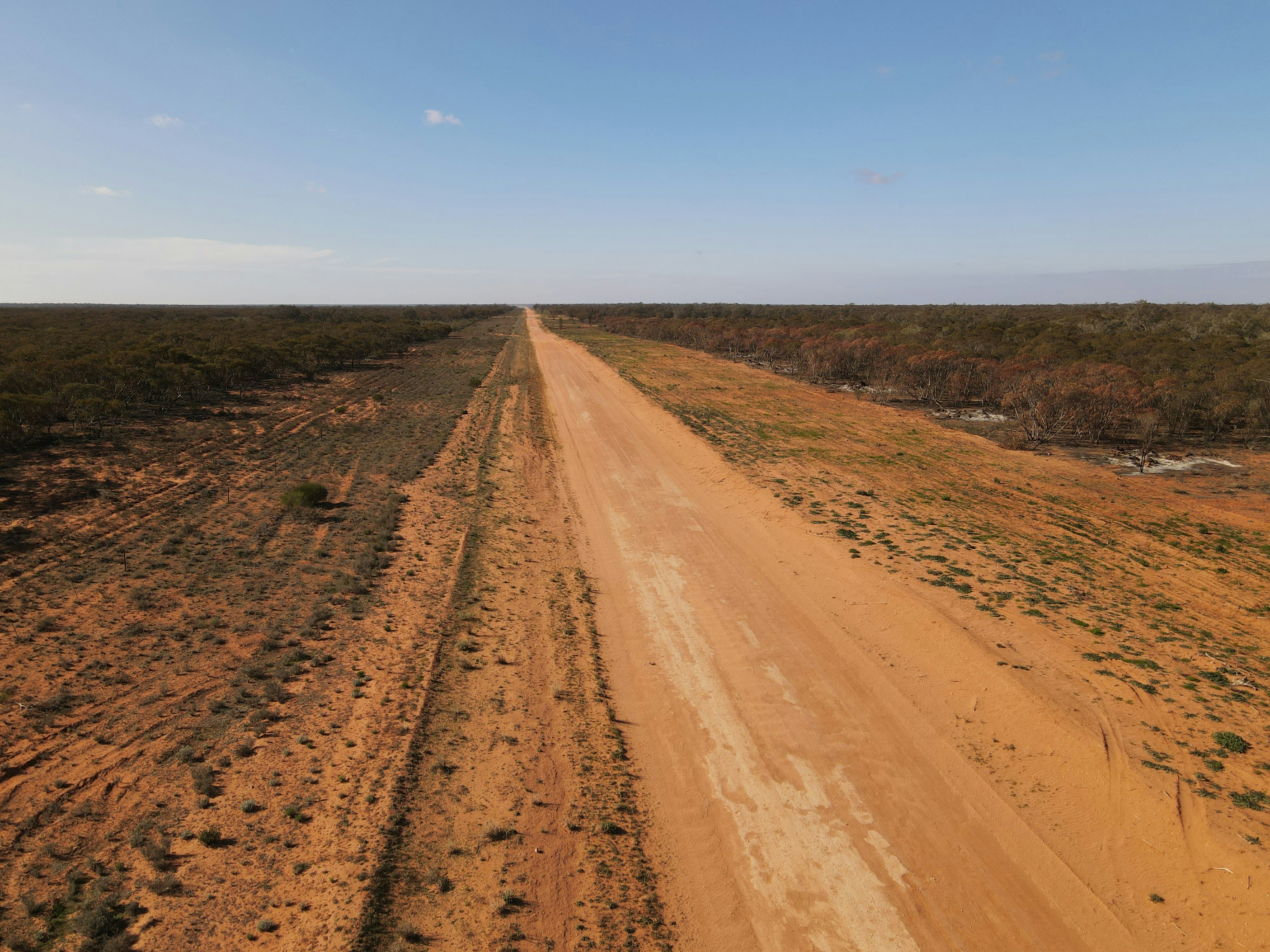
Stock landscape photography, chosen for the type of country rather than a named place: no signage, no services, no fuel and no obvious answer to how long the next stretch will take. Working that out before you set off is the judgement almost every question below is circling.
01 — 03
What this
publication is.
Three questions the rest of this page depends on: what this journal is, what it publishes, and who pays for it.
Do you book or sell trips?
No. There is nothing to buy here and no departure to hold. Trips and Tours publishes guidance — regions, timing, styles of travel, budgeting and preparation — and readers take that away and arrange their own trip with whoever they choose. Booking, availability and pricing sit entirely with airlines, hire companies, parks, tour operators and accommodation providers. If you want the fuller version of that position, About Trips and Tours sets it out.
How are the topics chosen?
By the decisions readers actually have to make, in the order they have to make them. That produces two families of writing. The first is topical: Trip Planning Basics, When to Go: Seasons and Timing, Travel Styles: Solo, Family, Group, Budgeting a Trip and Packing and Preparation. The second is regional — Australian Road Trips, Coast and Reef, Outback and Red Centre and Cities and Short Breaks — with state-by-state entries collected under Regions We Cover. The full list lives on Guides and Topics.
Is anything here paid for?
No place, road, town or operator is named in these guides because someone paid for it to appear. When an entry says a stretch of coast is worth three nights rather than one, that is an editorial judgement and nothing else. Where we are uncertain, the writing says so instead of smoothing it over — which is also why you will find trade-offs on this site far more often than superlatives.
04 — 05
Currency,
and corrections.
Two questions about how the writing is kept honest — one about time, one about the route a correction takes to reach us.
How often are the guides updated?
The guides are written to age slowly. They deal in how distance behaves, how a season feels, how a budget distributes itself and how a place rewards a certain pace — the parts of travel that hold from one year to the next. An entry gets revised when the underlying advice stops being true, not on a fixed cycle, and we would rather rewrite a paragraph properly than sprinkle a date on top of it.
The corollary matters more than the promise: anything that genuinely moves — school term dates, road and park closures, permit requirements, ferry and seasonal services, fire and flood restrictions — should be checked against the state, park or Traditional Owner authority that publishes it, close to the day you travel. How We Research and Write explains the working method behind that.
How do I suggest a region or correct an error?
Through the Contact and Enquiries form, which is the single point of contact for the site. If you are pointing at a mistake, naming the page and quoting the line is the fastest way to get it looked at properly; if you are suggesting a region, tell us what you would have wanted to know before you went. What to include, and how a message is handled, is set out on Contact and Enquiries.
Corrections are welcome and taken seriously. Local knowledge from someone who has just driven the road is frequently better than anything a desk can reconstruct afterwards.
06 — 07
Using the
guides in
practice.
Who the writing is for, and what to do when the calendar has already made the decision for you.
Do the guides suit visitors from overseas?
Yes, with one adjustment of habit. Everything is written in plain English and the practical material — distance, heat, daylight, fuel, water, pacing — applies whoever is driving. What catches first-time visitors out is scale and season: the map compresses distances that take a full day to cross, and the southern hemisphere calendar puts high summer in December and the school holidays with it.
If you are arriving from abroad, read When to Go: Seasons and Timing before you fix a route, then How Far to Drive in One Day, then the state entries under Regions We Cover. Visas, insurance, licences and entry requirements sit with the relevant authorities and are not covered here.
What if my travel window is already fixed?
Then read the seasonal board backwards. Most readers arrive asking when to visit a place they have chosen; if leave is booked and the dates cannot move, invert it — take the month you have and ask which part of the country is at its best in it. The interior in July and the tropics in July are two entirely different propositions, and one of them will fit your window without any argument.
Three companions help once the month is locked: The Case for the Shoulder Season for the weeks either side of peak, Planning Around School Holidays if your dates fall inside a term break, and How to Structure Three Days in a City when the window is genuinely short.

A wet evening on a street that could belong to any capital: weather rearranges a day faster than a plan does, and an afternoon spent indoors is not a lost one if the shape of the trip allows for it. That is why the reading order below settles the window first and the map second.
08
Which page
should I read first?
It depends on which decision is still open. If you have no idea where you are going, begin with Trip Planning Basics and let the shape of the trip come before the destination. If the place is settled but the timing is not, go straight to When to Go: Seasons and Timing. If both are settled and you simply want the character of the country you are heading into, take the regional entry — Australian Road Trips, Coast and Reef, Outback and Red Centre or Cities and Short Breaks.
Two more are worth reading whatever you have chosen. Travelling Responsibly covers what a visitor owes the places they pass through, and Packing and Preparation is the last thing to read before you close the bag. Longer, looser pieces sit in The Journal. Trip Records sets out the format a route log will take — what it would carry and what it would leave out — for the first road travelled end to end.
A READING ORDER THAT WORKS
01 Fix the window. Month first, place second — the reverse costs more trips than any other habit.
02 Choose the country to match it. Coast, interior, alpine or city, whichever suits the month you actually hold.
03 Test the distances. Sketch the driving days before the nights, not after.
04 Set the pace to the company. Solo, family and small group all read the same route differently.
05 Build the budget around the shape. Then pack for the swing in the weather, not the average.
STILL UNANSWERED
Ask the question
that isn't here.
The contact form is the only interactive part of this site, and it carries everything: reader questions the guides have not settled, corrections when a line no longer matches the road, suggestions for a region or topic that is missing, and editorial or partnership enquiries. One form, read by the people who write the pages.
An answer about a season, a driving day or the shape of a budget is far more useful when we know which guide the question came from, roughly when you are travelling and who is coming. Contact and Enquiries sets out what helps before you write.
What the form is not for: bookings, availability, prices or seats on anything. Those belong to the operators, parks and carriers who run them.
Read more about the publication in About Trips and Tours, or the working method in How We Research and Write. The Privacy Policy and Terms of Use cover how enquiries and the site itself are handled.