An independent travel journal — go when the country is at its best.
Questions, corrections, story notes
Journal · Short breaks
Three days, three
anchors, and one
empty afternoon.
Three days is not a shortened week. It is its own shape, and it fails in a predictable way: the plan gets loaded like a seven-day trip, the second morning arrives flat, and the third is spent watching the clock instead of the city.
The repair is structural rather than energetic. Give the arrival afternoon no job but orientation, hang one anchor on each full day, leave one block deliberately empty, and spend the last half-day outside the city rather than further inside it.
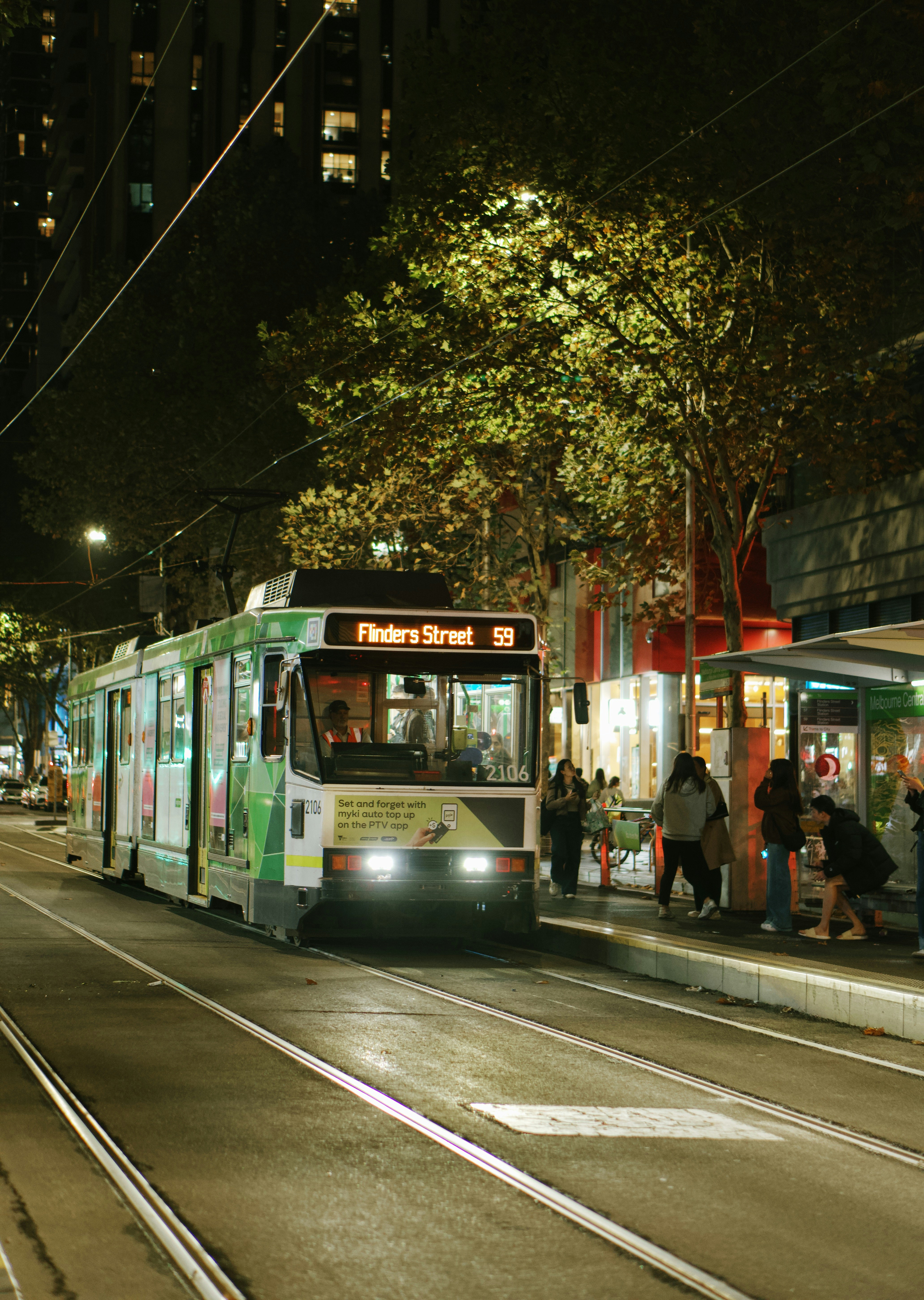
What the photograph actually shows: wet tracks, overhead wires and a tram still running long after dark — an arrival, not an itinerary. A night landing costs you nothing if you ask nothing of it: find the stop, sort the fare, eat early. The daylight orientation loop is the first item in the shape below.
The shape that
keeps working
Written out, it looks almost too simple. That is the point: a three-day plan has to survive a delayed arrival, one bad forecast and a tired afternoon without collapsing. Anything more intricate than this does not.
THE ARRIVAL AFTERNOON
No anchor at all. Work out the transport line that runs past the base and ride it once in daylight, walk one loop back, replace whatever was forgotten, eat early. Orientation is the whole task — and if you land after dark, it simply moves to the first hour of the next morning.
DAY ONE
The anchor you actually came for, taken first. Put it early and the weather only gets one chance to spoil it; leave it until the last morning and every hour before it carries a small anxiety.
DAY TWO
A second anchor in a different quarter of the city, then the block you left empty. Mornings are for the thing with opening hours; the afternoon is for whatever the morning suggested.
DAY THREE
Half a day out of town — coast, range, valley or vineyard country — and a late, unhurried return. Nothing scheduled once the bags are back at the base.
Choose the base by transport, not by postcode
On a short break the address matters far less than what stops outside it. A celebrated neighbourhood that needs two changes and a twenty-minute walk will quietly eat an hour of every day — six hours across three days, which is an entire anchor gone to standing on platforms.
Look instead for a base that sits on a single line running to two of your three anchors, with a night option that does not depend on the last service. Suburbs one or two stops out are usually calmer, better value and no further in real minutes than the centre. In most Australian capitals the useful test is not distance from the river or the mall but whether you can get home tired without thinking about it.
The same logic decides the half-day out on day three: pick the base that puts a train, ferry or highway exit within easy reach, and the region beyond the city stops being a project.
FIVE QUESTIONS ABOUT THE ADDRESS
What stops within five minutes? One line that reaches two anchors beats a famous street with none.
How do you get back after dark? If the answer is a long walk or a costly ride, the base is further away than it looks.
Is it quiet when you need it to be? Above a late-night strip is charming for one night and expensive for three.
Where does the region start? The half-day out is decided by which direction you can leave from.
Can you drop bags on the last morning? Somewhere to leave luggage turns a dead departure day into a usable half-day.
ONE ANCHOR A DAY
An anchor is one commitment, not a full itinerary
Five things pass the test, and each of them fails in a particular way once it is stretched. Read the entry, then read the line under it: the failure is usually the same idea with a transfer bolted to each end.
One anchor a day is not modesty. It is the only version of a short break that leaves room for the city to suggest something.
A PLACE WORTH THE TRIP ON ITS OWN
A gallery, museum or garden you would travel for even if nothing else in the city held up.
Not this: three institutions in one day, on the grounds that they share a tram stop.
A WALK WITH A SHAPE TO IT
Headland, river, ridge or laneway network — two or three hours with a beginning and an end.
Not this: a list of places to stand in front of, assembled from other people’s photographs.
A MARKET, BROWSED SLOWLY
A market or a stretch of shopfronts you intend to move through slowly rather than photograph.
Not this: a neighbourhood chosen because it is meant to be seen, with nothing in it you want.
ONE LONG MEAL
If food is the reason you chose the city, one unhurried meal is a whole anchor and should be treated as one.
Not this: anything that needs a long transfer at each end and leaves an hour in the middle.
A VIEW WITH AN HOUR ON IT
A view that only works at a particular hour, planned around that hour rather than fitted in near it.
Not this: an extra stop added on the morning of, to make the day feel worthwhile.
The block you leave empty, and the weather that tests it
What do I do with a wet day?
Give each anchor an indoor twin in the same quarter before you leave home — the covered market near the headland walk, the small museum two streets from the garden. Swapping is then a decision of thirty seconds rather than a lost morning spent scrolling in a doorway. In the southern capitals, assume at least one of your three days will argue with you.
Is the empty block really meant to stay empty?
Yes. It is the shock absorber for a late start, a long queue or a body that has stopped cooperating, and when none of those happen it becomes the best part of the trip — the second visit to the street you liked, the hour in a park, the shop you walked past twice. Protect it the way you would protect an anchor.
What if I only really have two days?
Drop the half-day out rather than the empty block, and keep both anchors in walking distance of each other. A two-day break that stays in one quarter reads as a city visit; the same two days spread across a whole metropolitan area reads as transport with interruptions.
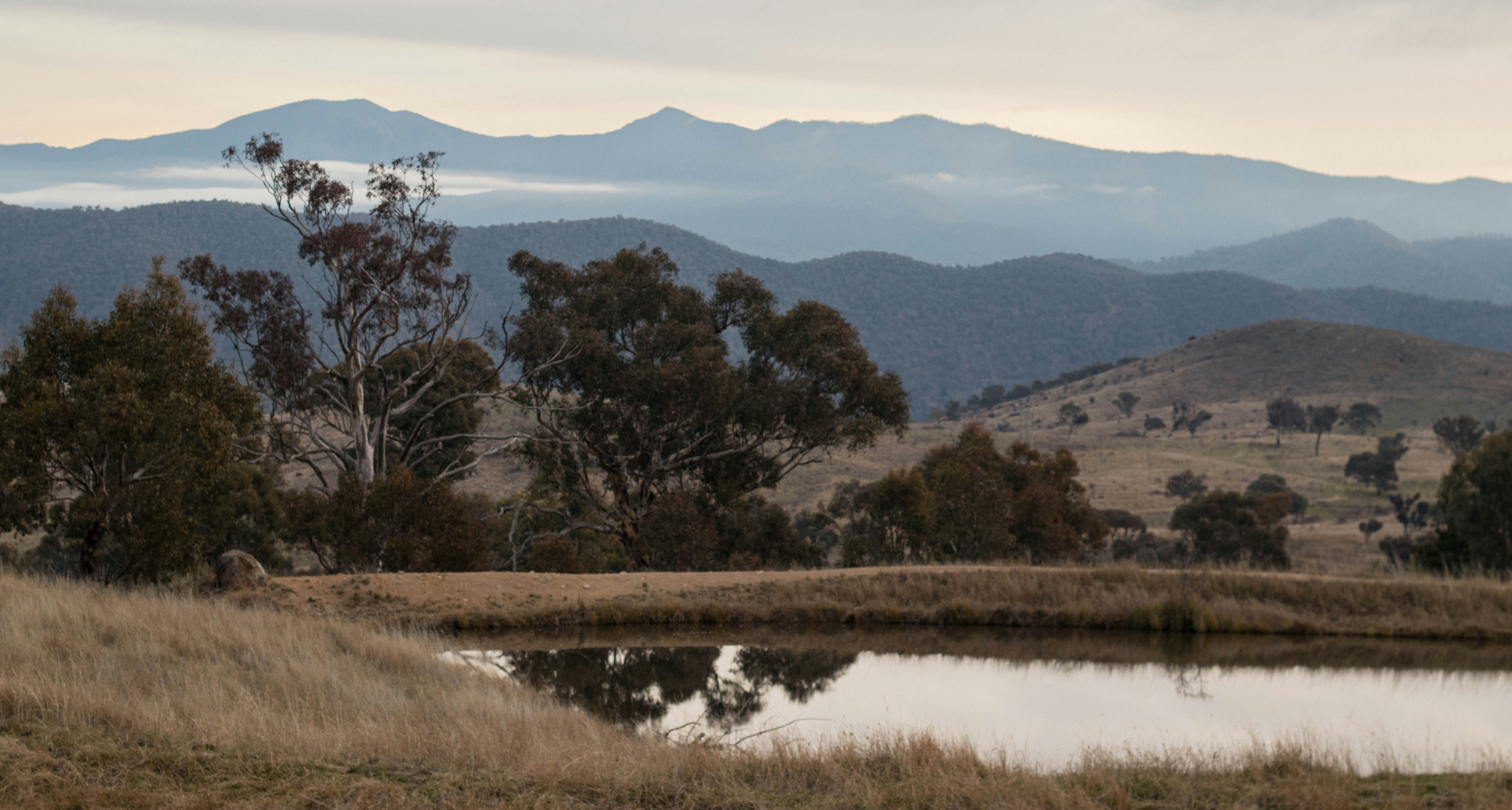
Not a named destination, and not a recommendation — a reference for the shift itself: within a half-day of most capitals the ground gets quieter and the sightlines get longer, which is the entire reason day three leaves town.
DAY THREE
Spend the last half-day outside the city
By the third morning a city has stopped surprising you, and the surrounding region has not started. Every Australian capital keeps something within a comfortable half-day of its centre — a bay, a range, a river valley, a stretch of farm country — and that contrast is what people describe when they talk about a short break being good.
Keep it genuinely half a day. One destination, one reason for going, a return that leaves the evening free. If it needs a hire car, take the earliest window and accept that the city gets nothing more from you afterwards. If a train or ferry does it, better still: the journey itself becomes part of the day rather than a cost.
Season decides how far this reaches. Long summer evenings make a late return easy; in winter the same trip has to start earlier and end sooner.
THE LAST TEMPTATION
Resisting the fourth anchor
The urge arrives about a week out, usually late at night: there is one more thing, it is only twenty minutes away, and the afternoon looks open. It is not open. It is the block holding the whole plan together, and the fourth anchor is paid for out of the third one — you will arrive at the last place hurried, hungry and less interested than you expected to be.
Write the extra thing down instead, on the list of reasons to come back. Cities reward second visits far more than they reward completeness, and three days done at a human pace will pull you back sooner than three days done thoroughly.
If a line here needs correcting, or you have a short-break question the standing guides do not answer, the enquiry form reaches the people who write these entries.
AFTER THE THIRD DAY
Four pages this
entry leans on
If the half-day out is the part you are least sure of, start with a state where it is easiest: Travelling in Victoria or Travelling in New South Wales.
THE STANDING GUIDE
The guide this entry extends.
THE COMPANY
Travel Styles: Solo, Family, Group
How the same three days change with who is in them.
THE MONEY
Where a short break’s money actually goes.
THE WET DAY
Packing for Changeable Weather
For the indoor twin of every anchor.