An independent travel journal — go when the country is at its best.
Questions, corrections, story notes
THE REGION INDEX
Travelling in Queensland
Travelling in New South Wales
Travelling in Victoria
Travelling in Tasmania
Travelling in South Australia
Travelling in Western Australia
Travelling in the Northern Territory
Seven state and territory pages, sorted below by the window that suits them rather than by their place on a map.
Which part of
the country is
at its best now.
Australia is not one climate with one calendar. In the same fortnight the Top End can be dry, mild and perfectly walkable while the Red Centre bakes and Tasmania keeps its lights on until nine at night. Sorting regions alphabetically hides that. Sorting them by season shows it immediately.
This hub indexes every region Trips and Tours writes about, grouped by the window that flatters it, with the travel character that defines it, the topics it pairs with, and the one timing caveat that trips people up most often. Follow a row through to its full regional page when a place starts to look like your next trip.
Four windows,
four different countries
The four slats below read across the year rather than across the map: which regions each window flatters, and what it charges for in return. Every region named in them has its own row further down this page.
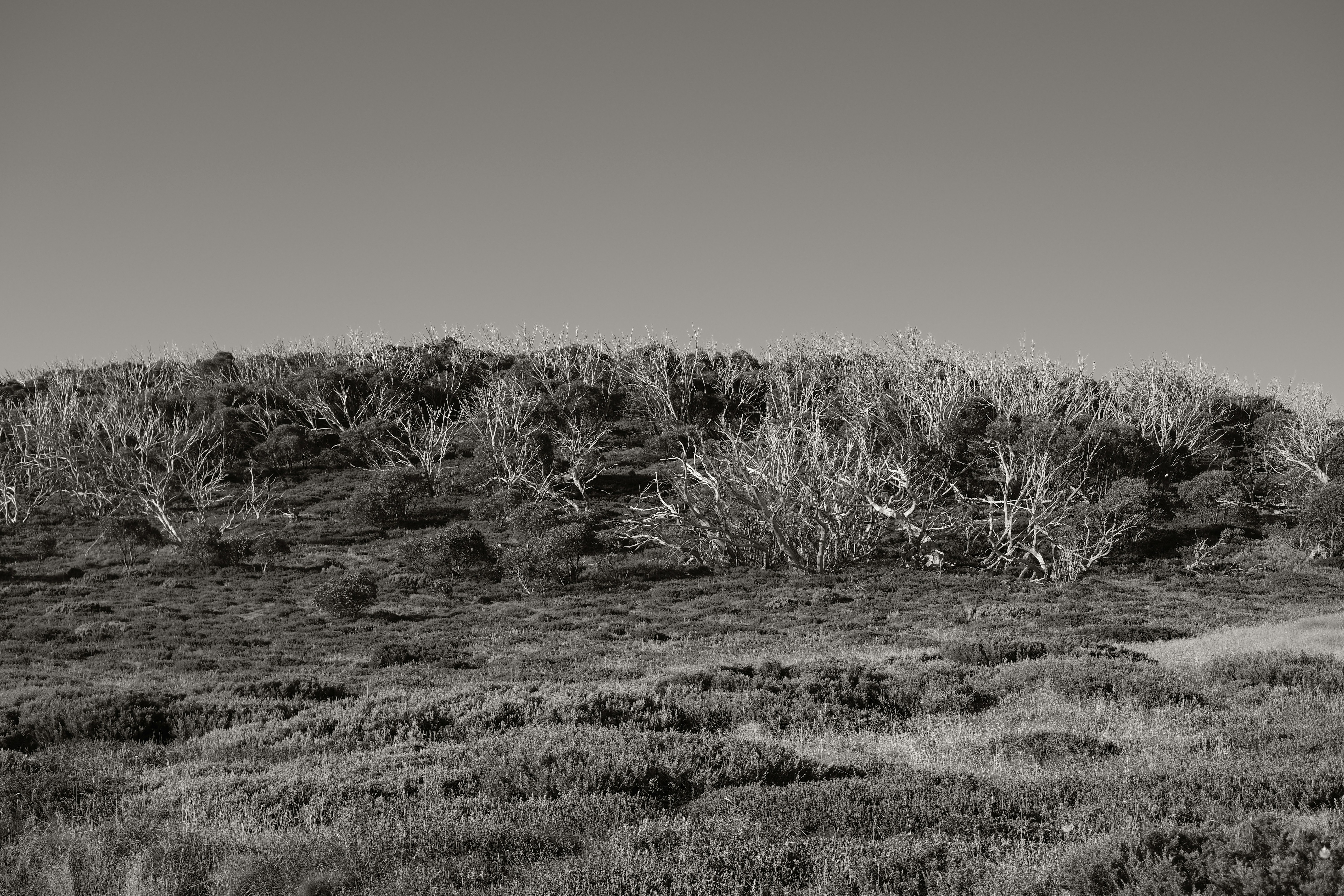
Open country under a wide sky: the same fortnight can be mild walking weather in one half of the calendar and heat or rain in the other, which is why the slats sort the year rather than the map.
Summer
The cool south finally reads as generous.
Strongest for Tasmania, coastal Victoria and the New South Wales south coast.
Long daylight and warm water; the busiest weeks of the year and real heat once you turn inland.
Autumn
The best all-round window in the country.
Strongest for South Australia, inland New South Wales and the Victorian ranges.
Settled air, softer light, warm sea still holding in the north. See the case for the shoulder season.
Winter
The north opens and the interior becomes kind.
Strongest for the Northern Territory, tropical Queensland and northern Western Australia.
Dry days, cold nights, and the country’s busiest stretch of road travel heading north.
Spring
Wildflowers, mild inland air, thinner crowds.
Strongest for south-west Western Australia, the Red Centre in the Northern Territory and the South Australian ranges.
The last comfortable weeks before inland heat closes the door again.
How to read a region row
Every entry below gives you the same three things in the same order, so two regions can be compared without reading two full pages.
- Character — what the travel actually feels like there: the pace, the distances, the kind of day you end up having.
- Pairs with — the topics that unlock it, whether that is Coast and Reef, Outback and Red Centre or Australian Road Trips.
- Timing caveat — the one seasonal fact that changes the trip most, and the month range it applies to.
WHY THE ORDER IS SEASONAL
Readers rarely arrive with a fixed destination and a free calendar. Far more often the dates are half-fixed and the map is open, which makes the season the first useful filter and the region the second.
Nothing here is sold, ranked by commission or scheduled. Rows are written from published sources, and a row is rewritten when a source moves or a reader shows us a line that no longer matches the road — the method is set out in How We Research and Write.
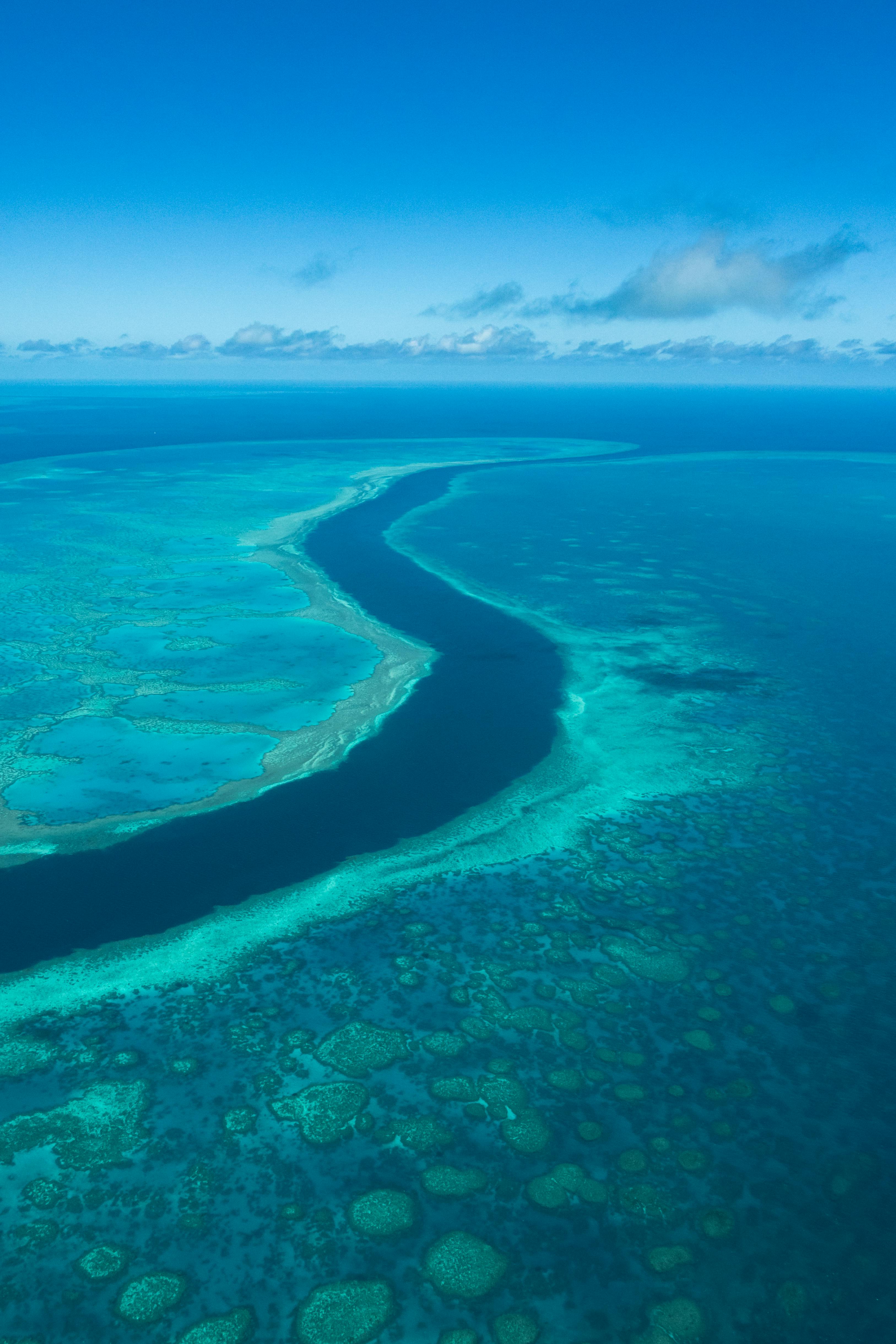
Reef flats and shallow lagoons of the northern half — shallow, warm water that reads best in the dry months, when the country behind it is cool enough to drive.
The northern half
Queensland
Reef, island groups and a coastline long enough to hold three different climates at once. Easy travel by Australian standards — short hops between towns, sealed roads, water you can be in within an hour of landing. Pairs with Coast and Reef and Cities and Short Breaks. Caveat: the tropical north runs a wet season from about November to April, with humidity, marine stingers and storm disruption; the south-east stays workable year-round. Read the Queensland page.
Northern Territory
Two very different halves — the Top End’s wetlands and escarpments, and the Red Centre’s desert ranges — joined by one very long highway. Pairs with Outback and Red Centre and Travelling Responsibly, particularly around respect on Country. Caveat: the north has a wet and a dry rather than four seasons, and the Centre’s summer heat is genuinely limiting; May to September suits both. Read the Northern Territory page.
Western Australia
The state that teaches scale. Empty coast road for days, then a wildflower season in the south-west that changes the ground colour entirely. Pairs with Australian Road Trips and Budgeting a Trip, because fuel and distance dominate the numbers here. Caveat: the north is a dry-season trip and the south-west is a spring one, so a single crossing rarely catches both at their best. Read the Western Australia page.
The southern half
New South Wales
The most varied short-drive state: surf coast, sandstone country, wine valleys and an alpine strip, most of it within a few hours of the same city. Pairs with Cities and Short Breaks and Trip Planning Basics. Caveat: the coast fills hard through summer school holidays, so shifting a week either side changes the whole experience — see planning around school holidays. Read the New South Wales page.
Victoria
Compact enough that a week can hold a coast road, a forest and a city without a long transfer between them. Pairs with Australian Road Trips and Packing and Preparation. Caveat: the weather genuinely swings within a single day, so layers matter more than the forecast does — see packing for changeable weather. Read the Victoria page.
Tasmania
Short distances, slow driving, and a walking culture that rewards staying put. Pairs with Travel Styles: Solo, Family, Group and Travelling Responsibly. Caveat: winter days close early and highland weather turns fast in any month, while December to February is both the warmest and the most crowded window. Read the Tasmania page.
South Australia
Wine country, gulf coast and the dry ranges beyond, all reachable from one compact capital. Pairs with Budgeting a Trip and When to Go: Seasons and Timing. Caveat: inland summers are hot and dry enough to reshape a day, which is why autumn and spring carry most of the good travelling here. Read the South Australia page.
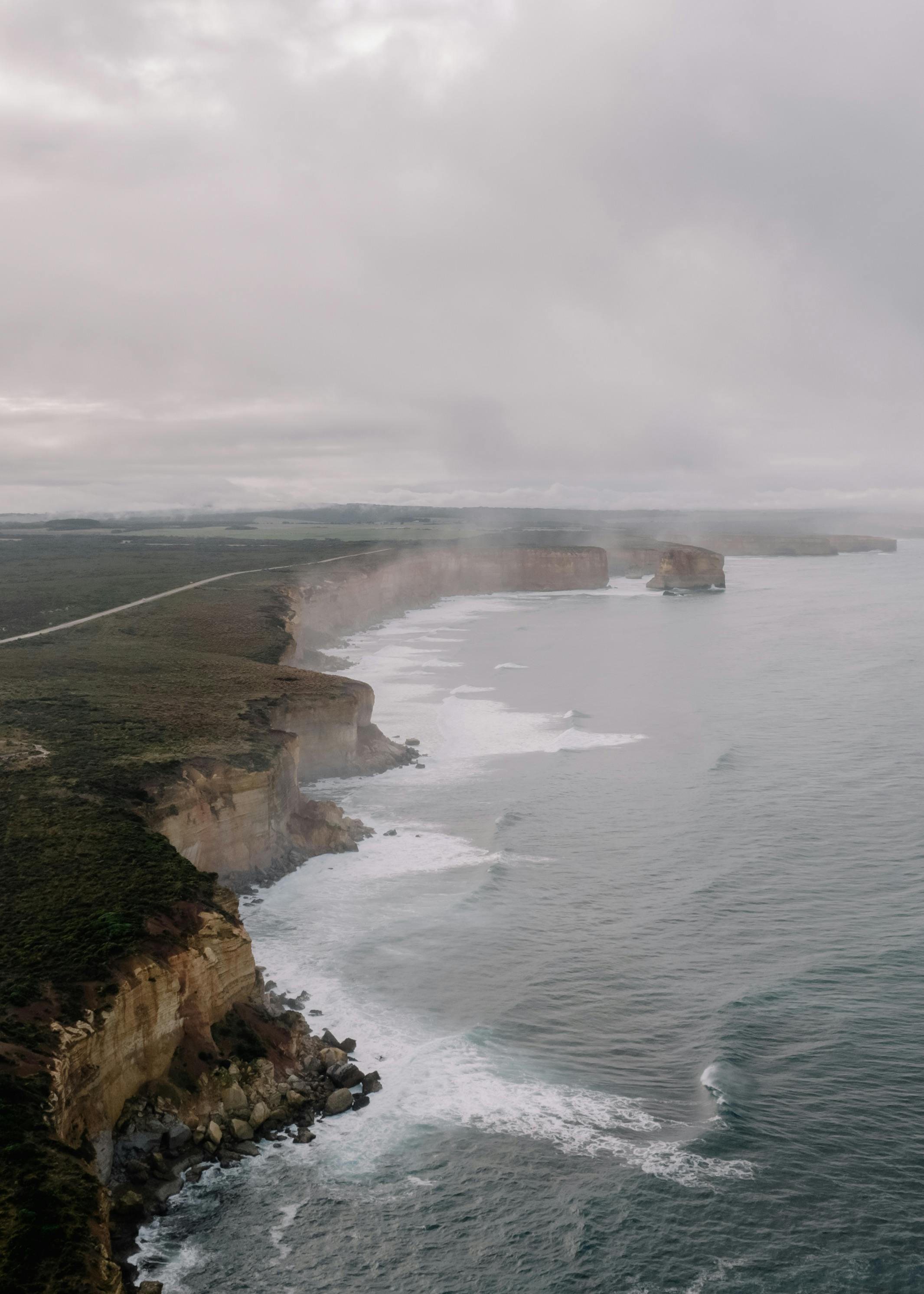
The temperate southern coast the four states in this group share.
Thin ground,
named plainly
Depth is uneven across the seven region pages, and pretending otherwise would waste your time. The rows still written as outline rather than detail are Cape York and the far north-west, where seasonal access is the whole story; the inhabited islands beyond the main reef groups; the Canberra region and the inland south-east; alpine travel in the snow months, as distinct from summer walking; and the long crossings of the Nullarbor and the central deserts.
How coverage is chosen and checked
- Chosen by where a region’s decisions are least well covered in print — the windows, distances and access rules existing sources leave vague — never by what is quickest to write, and never by payment or commission.
- Checked against published sources — park and road authorities, long-run weather records, transport and school-holiday calendars — with opinion marked as opinion.
- Bounded by what a caveat can honestly carry: the months it applies to and the condition behind it, never a single best week and never a forecast for the fortnight you have in mind.
A thin row stays thin until it can be written to that standard. The full method is set out in How We Research and Write.
Orientation, not an itinerary
A region page answers what comes before a route exists: what kind of country it is, how long the gaps between towns really take, which weeks flatter it and which quietly ruin it, and what should be left alone and why.
Once that is settled the practical layer sits in the topic guides — begin with Trip Planning Basics and how far to drive in one day, or read the whole board of Guides and Topics.
Where a region row leads next
Two lists follow: the standing topic guides that apply in every region, and the shorter journal entries sitting behind several of the rows above.
Pair a region with a topic
Region pages describe the place. Topic pages describe the method. Most readers need one of each.
When to Go: Seasons and Timing
Australian Road Trips
Coast and Reef
Outback and Red Centre
Cities and Short Breaks
Travel Styles: Solo, Family, Group
Packing and Preparation
From the journal
Single-question pieces that sit behind several of the rows above.
The Case for the Shoulder Season
Planning Around School Holidays
How Far to Drive in One Day
How to Structure Three Days in a City
Respect on Country in Remote Travel
Cutting Costs Without Cutting Days
All of The Journal
Two regions,
one window, and
no way to choose.
Two regions can look equally good for the same fortnight. Describe the window you already have and we will say which row actually answers it — and where a question is one these pages ought to settle, it is answered in public on Reader Questions.
Corrections belong in the same form. A road reopens, a season shifts, and a caveat that was accurate stops being accurate without telling anybody.
ELSEWHERE ON THE SITE
About Trips and Tours — who writes this, and why it answers to readers rather than operators.
How We Research and Write — which claims are checked against a source, and which are marked as our view.
Trip Records — the format used to write a route up after travelling it end to end. Nothing is filed there yet.