An independent travel journal — go when the country is at its best.
Questions, corrections, story notes
Stay longer.
Spend closer.
Leave less behind.
Most writing about responsible travel arrives as a list of rules, which is why most of it is ignored by the second day. This page takes the opposite line. Lower-impact travel is a set of trade-offs — pace against coverage, convenience against the places that keep the money, comfort against distance — and once you can see the trade, you can decide it for yourself rather than following someone else’s conscience around the country.
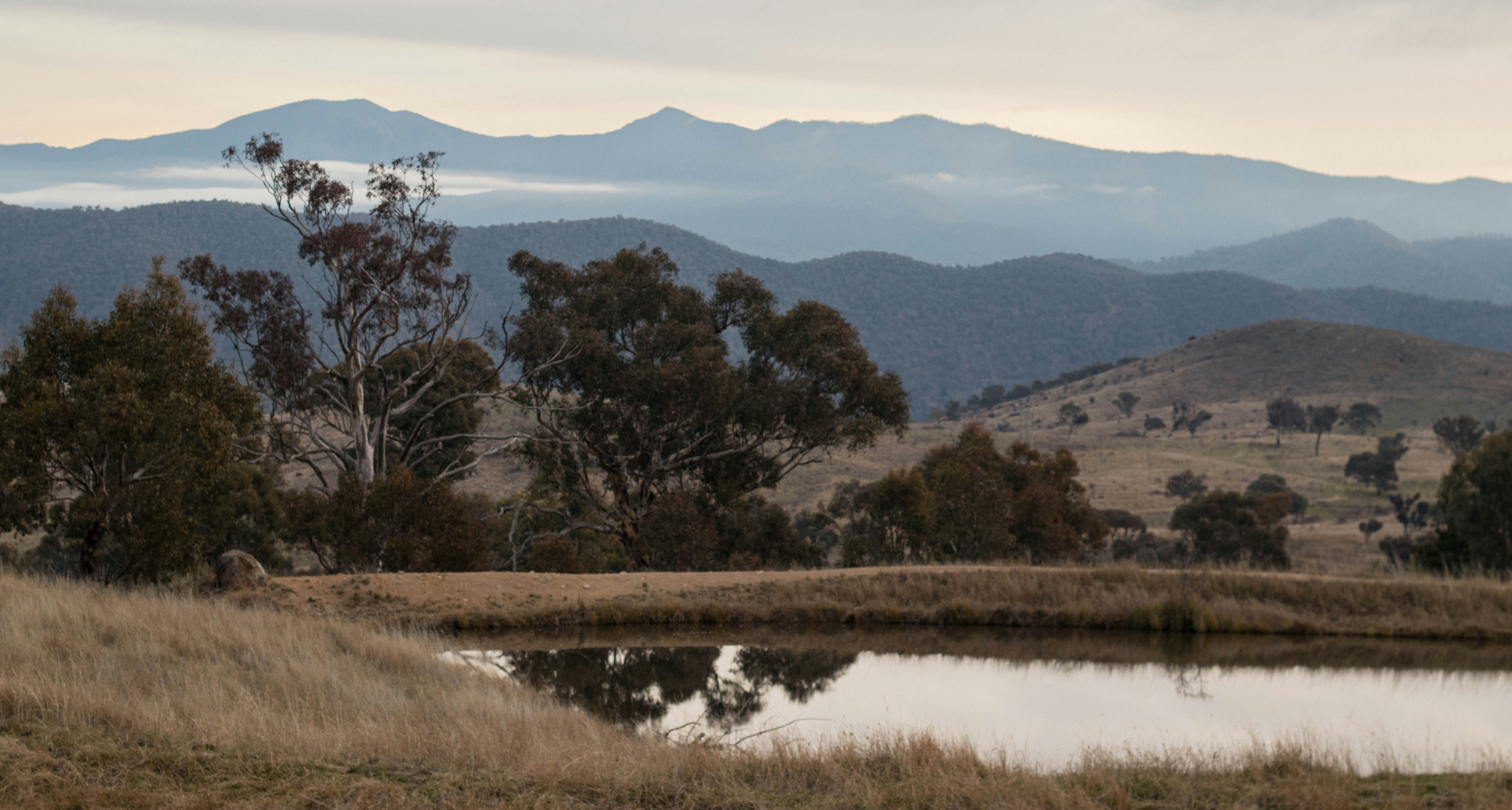
Still water below a layered range — country of this kind gives up almost nothing on the first afternoon and most of itself on the third.
What it looks like
on an ordinary trip
01 Halve the map. Two bases in a week almost always beats five.
02 Sleep in the town you spent the day in, rather than the highway strip outside it.
03 Buy fuel, food, beds and guiding from people who live where you are standing.
04 Check closures, permits and fire, flood or track restrictions the week you leave — not the month before.
05 Keep to formed tracks and marked beach access. The damage is nearly always at the edges.
06 Watch wildlife from further away than feels necessary, and never feed it.
07 Carry out everything you carried in, food scraps included, and use the disposal points provided.
None of that requires a different kind of holiday. It requires a slightly shorter list of places and a slightly longer stay in each.
Every lighter choice
costs something. Say so.
Coverage. Staying three nights in one town means two regions you will not see this trip, and you have to be genuinely at peace with that.
Convenience. Local operators, small kitchens and regional buses keep their own hours, and those hours are not built around your itinerary.
Certainty. A shoulder-season week in fewer places can hand you weather you would have driven away from.
Fewer transfer days, which are the days that cost the most and hold the least.
A local’s version of the place, because you were there long enough to be told things.
Money that stays in the region rather than passing through it, and a lower fuel bill for the same number of days away.
Pace, and where
the money lands
Staying longer
in fewer places
Three nights is roughly the point at which a town stops being a photograph. The second morning finds the bakery and the tide time; the third finds the walk nobody prints on a map.
Every move between towns spends half a day on packing, driving and finding dinner again, and those are the hours that cost the most and hold the least. Give two of them back and the cheap days reappear: walking, swimming, markets, a second visit to the thing that was worth it. Leave one day unclaimed as well — it is usually the day the trip happens in.
Read on: Trip Planning Basics · How Far to Drive in One Day
Where the money
actually lands
A regional café, a roadhouse kitchen or an art centre keeps far more of each dollar in the town than the same spend made on the highway strip outside it, and a guide who grew up on that coast or on that Country gives you a better day as well as a truer one.
The bed is the biggest single line, so ask who owns it; that is usually easy to find out before you book anything.
What the small
lines add up to
Park and permit fees are the maintenance budget, not a surcharge on the view.
Off-peak weeks hold the same businesses open across a longer year, which is quieter work than any pledge.
Repeat visits to one region beat a lap of the country you cannot afterwards remember.
A closed track is
information, not an obstacle
National parks, marine parks, alpine reserves and Aboriginal land are managed on timetables that have nothing to do with holidays. Tracks shut for nesting seasons, snowmelt, fire danger, cultural business or simple repair, and the notice often appears days beforehand on a park authority page rather than on any map you already have saved.
Build the check into departure week and the closure stops being a disappointment: it tells you which side of the range is walkable, which beach is stable, and where the pressure is not. Where a site is signed as culturally significant, treat the sign as the whole instruction — no climbing, no photography where it is asked for, no shortcut around the fence.
Further reading: Respect on Country in Remote Travel · Outback and Red Centre · How We Research and Write
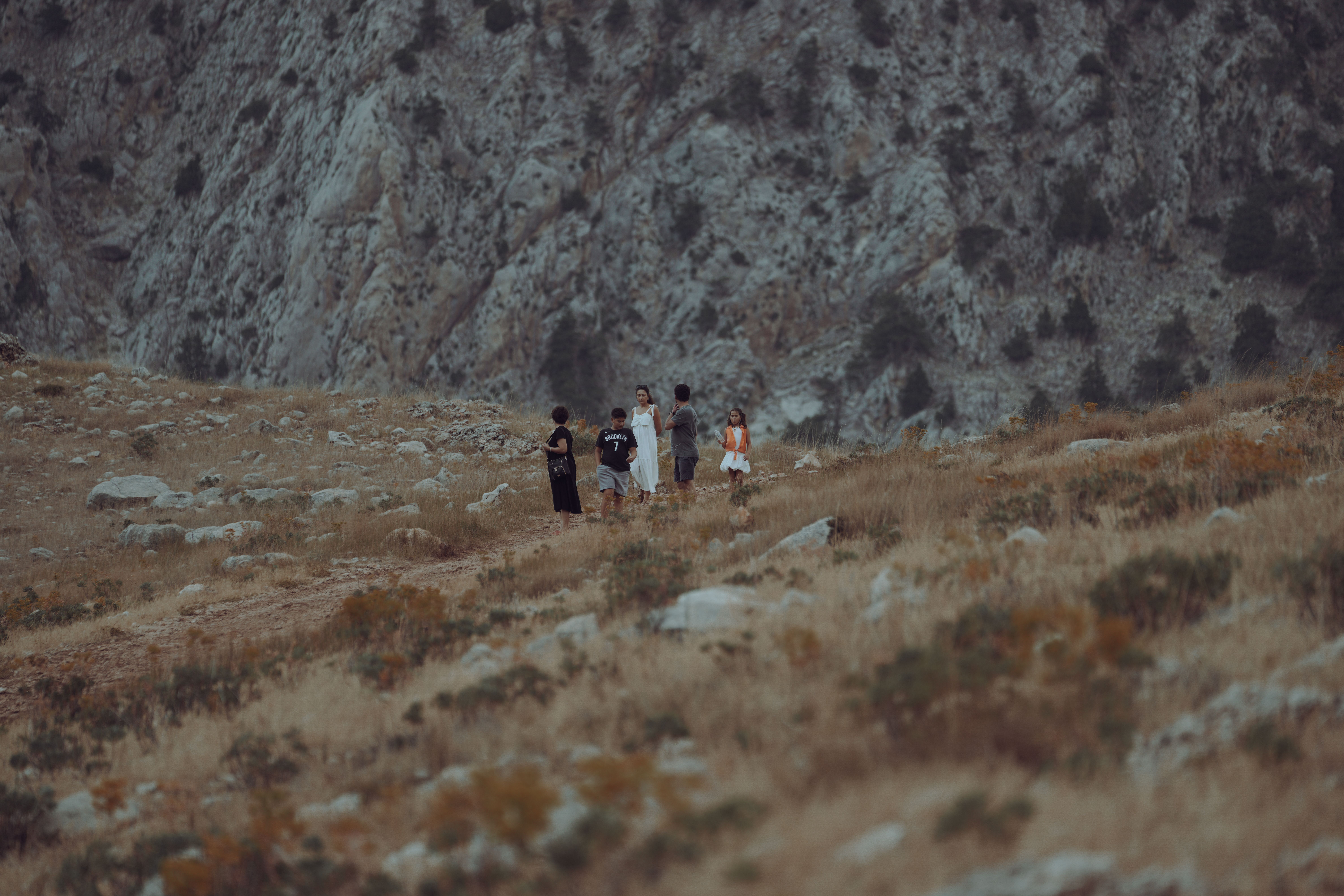
Walkers on open rocky ground below a cliff — where a route is formed and signed, keeping to it is most of what protection asks.
The same position,
said four ways
Coast and Reef — reef-safe behaviour, anchoring and contact distance, and reading conditions so a day on the water does not need rescuing.
Australian Road Trips — why halving the route lowers both the fuel bill and the risk, and where to stop so the money lands in the town.
Cities and Short Breaks — using one base and public transport well enough that a two-day window needs no car at all.
When to Go: Seasons and Timing — shoulder weeks spread pressure across the year, which is the single most useful thing a visitor can shift.
Travelling in Queensland
Travelling in New South Wales
Travelling in Victoria
Travelling in Tasmania
Travelling in South Australia
Travelling in Western Australia
Travelling in the Northern Territory
Each regional page carries the local version: which parks charge, which seasons close roads, and which towns feel the pressure hardest.
Honest about the flight,
not silent about it
Australia is a continent, and the getting there is the largest part of most trips’ footprint. Pretending otherwise would make everything above sound smaller than it is. The lever readers actually control is frequency and length: one longer trip a year does far less than four short flights, and a single flight followed by two weeks on the ground reads very differently from a week of hopping between capitals.
Where trains, coaches and a shared vehicle are realistic, they are usually also the better trip — slower arrivals, more small towns, fewer transfer days. Where they are not, the honest answer is to fly, stay longer, and spend well while you are there.
Disagree, or know
a track that has changed?
Closures, permits and local advice move faster than any journal does. Tell us which line stopped being true — name the track, park or town, and say when you were there — and it gets checked before the next revision.
The track, park or town named plainly.
The week you were there, or the week you are planning for.
What the sign, ranger or local operator actually said.
Where this page contradicts it.