An independent travel journal — go when the country is at its best.
Questions, corrections, story notes
Reader questions, corrections, suggestions
Ask the question
the guide
didn't answer.
One form, one place to write to. It carries reader questions about planning a trip in Australia, corrections to anything we have published, suggestions for regions and topics worth covering, and editorial or partnership enquiries. Write at whatever length the question needs — the more clearly you set out the decision sitting behind it, the more useful the reply can be.
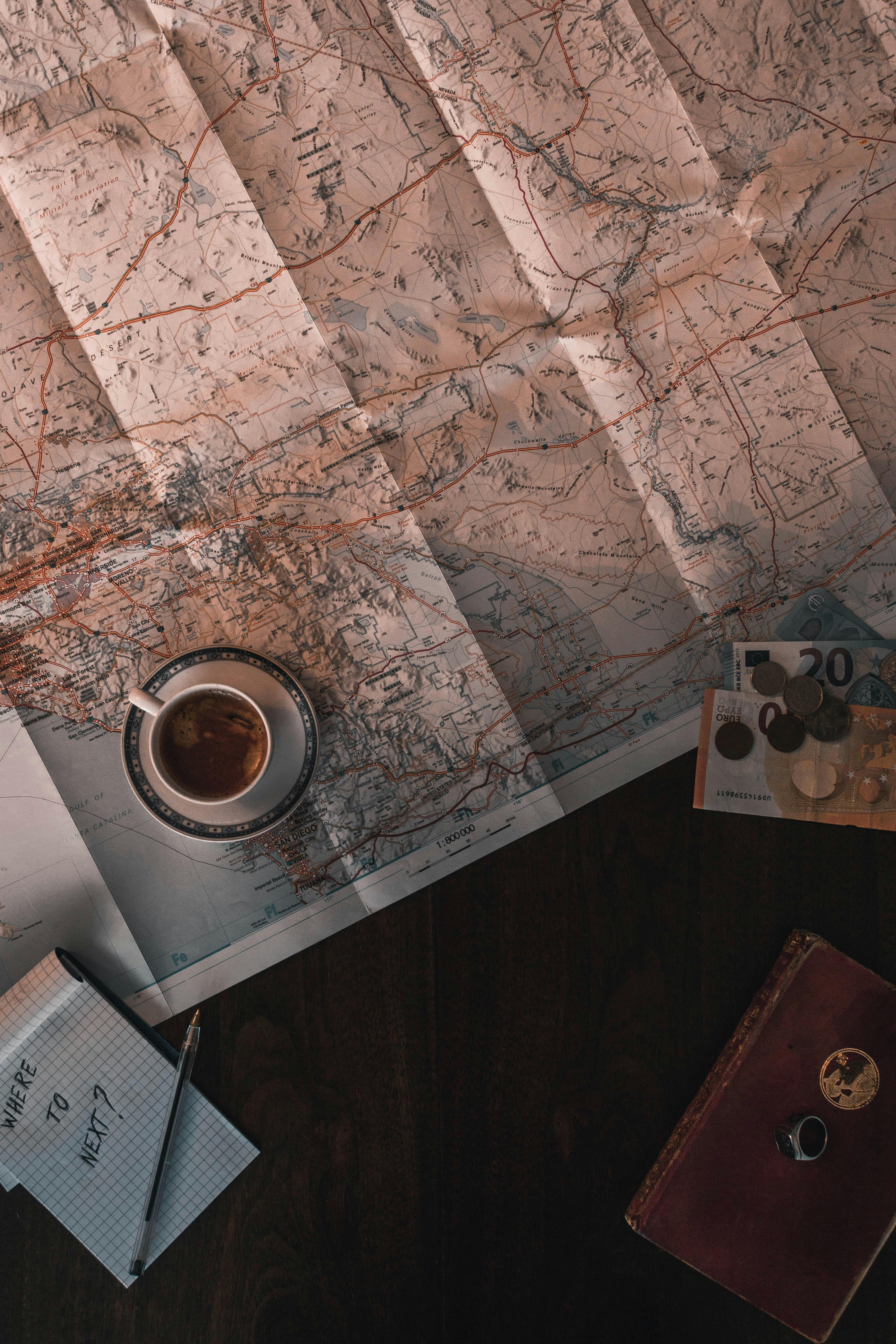
Map, notebook and a working budget — the planning this form exists to support.
TWO WAYS INTO THIS PAGE
Asking something — the four framing questions further down do the work that a long preamble would; answer those in your message and the reply can aim at your actual decision.
Correcting a guide — what a usable correction contains is set out further down the page: which guide, what you saw instead, and when you were there.
Everything else — a region or topic suggestion, an editorial or partnership enquiry — goes through the same single form.
What the form is for
The form carries four kinds of message, set out below. The numbers are simply the order they are set out in, not a queue.
01 · Reader questions
You have read a guide, you are part-way through shaping a trip, and something in the middle does not resolve — how two regions sit together in one window, whether a stretch of road suits the vehicle you have, how a season behaves in a place we describe in general terms.
02 · Corrections
A road has reopened, an access rule has changed, a detail in a guide has quietly gone out of date. These matter more than anything else that arrives, and they are the messages we act on fastest.
03 · Topic and region suggestions
Somewhere we have not covered, or covered thinly, that you know well enough to say so — a region, a stretch of road, or a question the guides keep stepping around.
04 · Editorial and partnership enquiries
Questions about how we work, what we publish, and how we handle references to third parties.
What the form cannot do is act as a booking desk. We do not hold dates, quote fares, arrange vehicles or confirm that a tour is running — that belongs with the operators and park authorities who actually run those things, and sending it here only costs you time.
Several of these questions are already settled in the guides. Reader Questions takes the recurring ones plainly; Trip Planning Basics covers sequencing stops and turning an idea into an outline; When to Go: Seasons and Timing reads seasonal trade-offs instead of chasing one best month; Budgeting a Trip and Packing and Preparation carry the money and the kit. If one of those covers it, you will have your answer sooner than any reply could reach you.
CORRECTIONS
The road tells you
before it tells us.
Guides age in specific ways. A permit requirement is introduced, a ferry drops a season, a track that was passable in a two-wheel drive stops being one, a town loses its last fuel stop. We revisit and revise, but a reader standing in front of the change always knows first.
What makes a correction easy to act on is plainness: which guide and roughly where in it, what you saw instead, and when you were there — a month and year is enough, since conditions are seasonal more often than permanent. If a park authority, council or operator page confirms it, send that too, and say whether you think the change will hold: a wet-season closure and a permanent rule change need different edits.
Anything sent as a correction is checked against current official sources before a word is edited, and the guide is updated rather than quietly patched. You will not be named unless you ask to be.
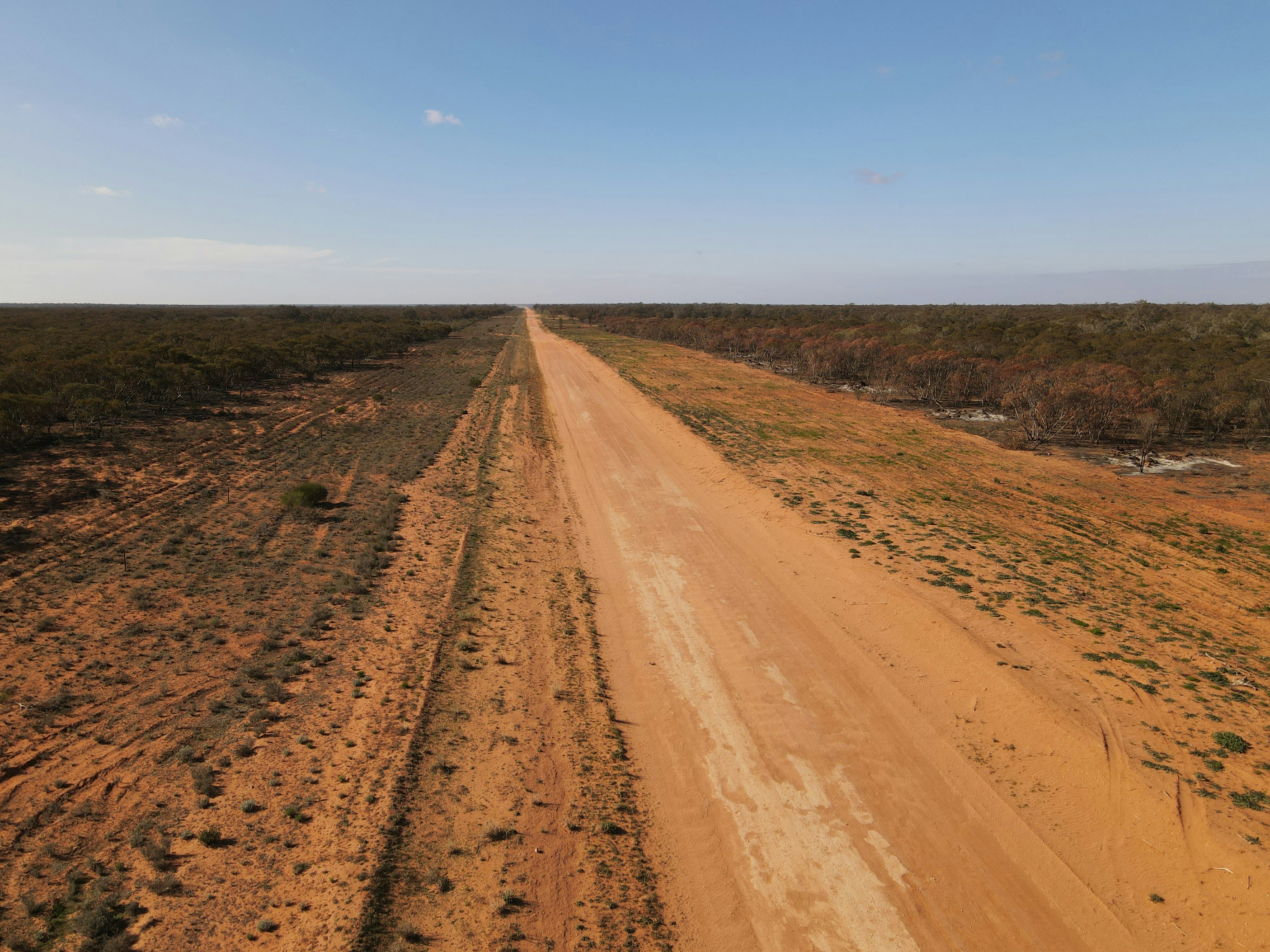
Unsealed roads and the rules that govern them are what changes first between one season and the next — and what readers correct most often.
BEFORE YOU SEND
Four questions
that shape a
better answer.
The difference between a reply that helps and one that restates a guide is almost always in how the question was framed. These four take a minute and change the whole exchange.
Which guide, and what decision is waiting on it?
A title or a link, plus whether you are choosing between two regions, fixing a month or testing whether a leg is realistic — the answer can then aim at the decision rather than restate the page.
How long have you got, and roughly when?
A long weekend and three weeks produce completely different advice about the same stretch of country, and a rough month changes almost every part of it again.
Who is travelling?
Alone, with children, or as a group of adults splitting the driving — pace, distance and comfort thresholds all move with the answer.
What have you already read or ruled out?
Knowing which guides you have finished with, and what you do not want, narrows a reply faster than anything else you can tell us.
THE FORM
Send an enquiry
WHAT THE FIELDS ARE FOR
Name, email and message. The three that carry a reply: who is writing, where the answer goes, and the question itself. Long is fine; specific is better.
Subject. Optional shorthand — a question, a correction, a suggestion, an editorial enquiry — that sorts a message before it is read.
Phone. Optional. Leave it blank if you would rather the whole exchange stayed in writing.
Location. Optional context: the region the question is about, or where you are writing from, if that changes the answer.
Budget and timeframe. Optional context too, and useful only when the question turns on a particular window or spending shape. Nothing is priced or quoted from them.
One submit button sends it. There is no file upload and no calendar to pick from. Messages are held privately within this site — the privacy policy sets out how.
While you
wait,
read on
A reply takes as long as it takes. The pages below are grouped by the kind of question the form is for, so you can go straight to the ones an answer would point at anyway.