An independent travel journal — go when the country is at its best.
Questions, corrections, story notes
Chapter 04 · Water
The coast keeps
its own hours.
Read them first.
Australia’s coastline changes character every few hundred kilometres and every few hours. Coast and Reef is the standing guide to that country — beaches, island groups, marine parks and headland walks — built around the conditions that decide whether a day on the water is worth having, and the behaviour that decides what is left of it for the next visitor.
Nothing here is a departure. It is the reading you do before you choose a stretch of coast, a base and a week.
THE FOUR READINGS
Conditions decide the day, not the forecast icon.
A sunny day with a two-metre swell and a fifteen-knot southerly is not a swimming day, a snorkelling day or a small-boat day. Learn to read four numbers together and most coastal disappointment disappears.
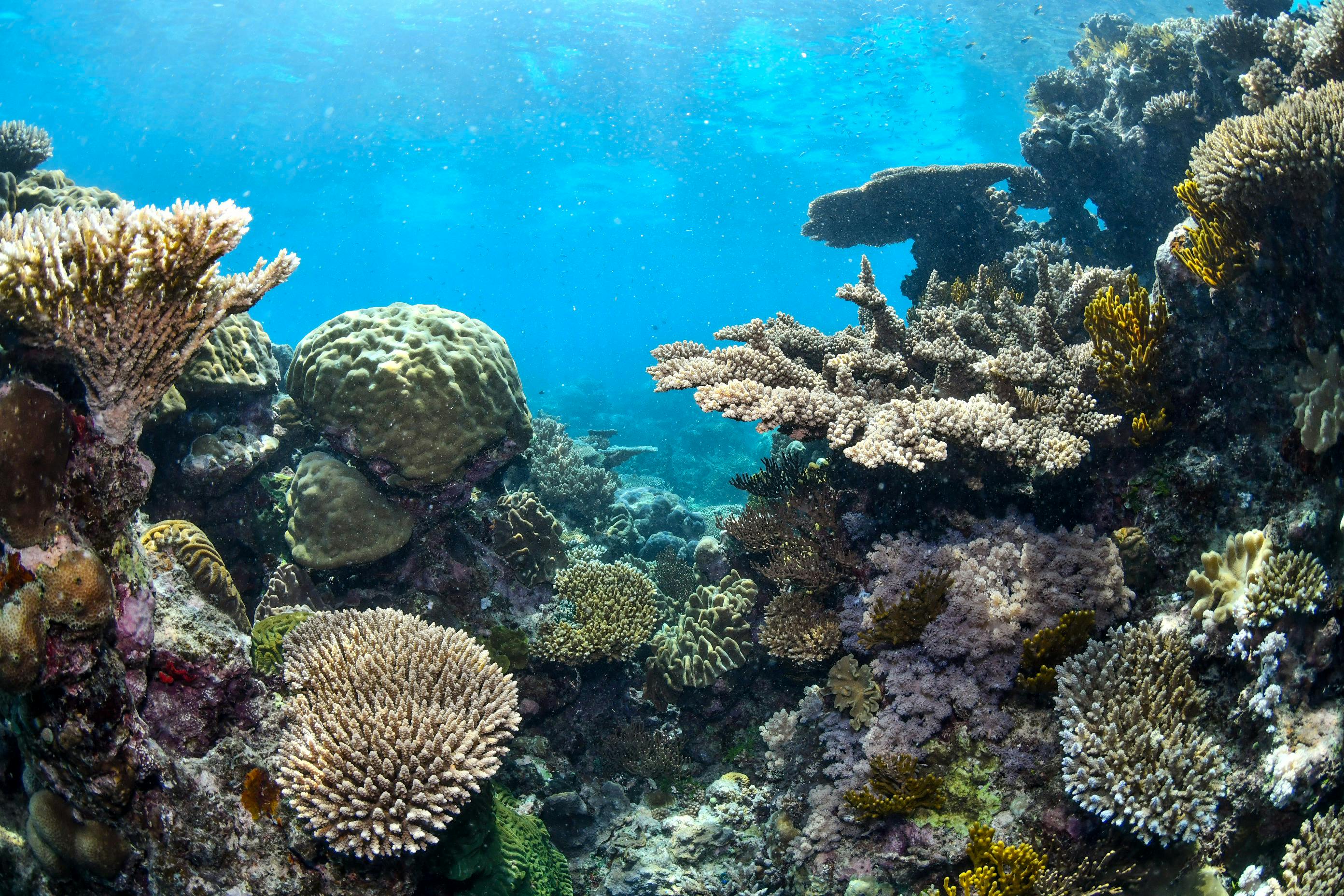
Water clear enough to see the reef follows a settled run of weather, not a sunny forecast — rain onshore takes underwater visibility with it for days afterwards.
Swell and wind. Swell height sets what the water does; wind direction sets whether it is clean or churned. An offshore breeze can hold a bay glassy while the open coast a headland away is unusable.
Tides. Reef flats, sandbars, rock pools and many boat ramps only work across part of the cycle. In the north the range is large enough to change the shape of a beach between morning and afternoon.
Visibility and water temperature. Runoff after rain drops underwater visibility for days. Temperature decides whether you last twenty minutes or two hours, and whether a wetsuit belongs in the bag.
Seasonal marine hazards. Stingers in the tropical north through the warm months, strong currents at river mouths and headland gutters year-round, and sun exposure that is severe on open water even in cool weather. Read local signage and patrolled-beach flags as the final authority on the day.
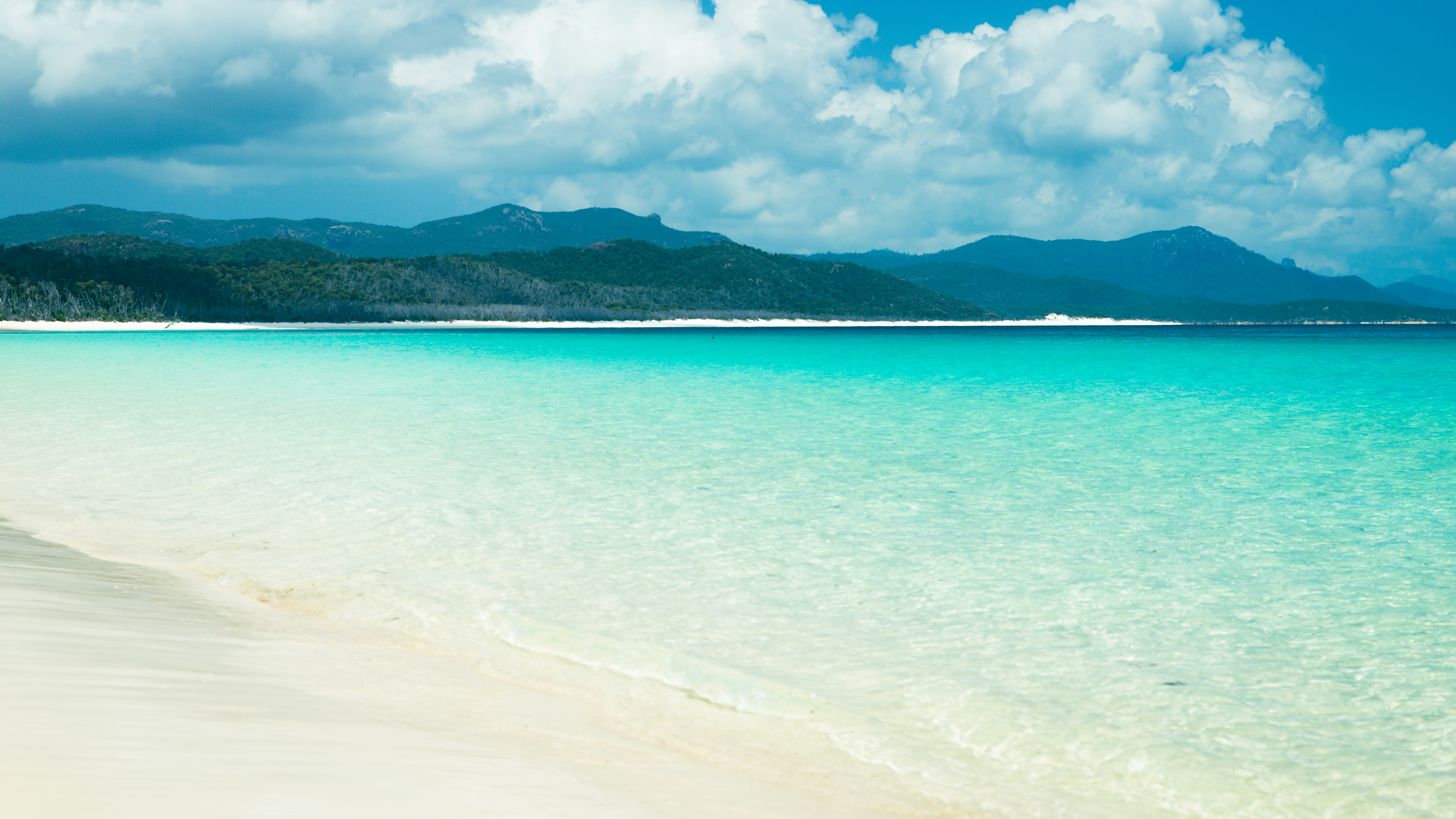
Sheltered water and pale sand — the calm side of a coast whose exposed beaches can be running swell the same morning.
PLANNING THE DAY
What a coastal day asks for.
Three things settle before you leave the accommodation: how you reach the water, what the day makes you carry, and what you will do instead when the wind swings.
01
Access points
Where you get in matters more than where you look at from the car park. Sealed roads end at some of the best beaches and continue past the ordinary ones. Check whether a track is two-wheel-drive passable, whether the last stretch is soft sand, and whether the walk in carries gear you actually want to carry back out.
02
What a day on the water asks
Shade, fresh water, more sun protection than feels reasonable, and dry clothes for the trip back. Snorkelling adds a rash vest and a fitting check on borrowed gear. Boats add fuel margin, a float plan told to somebody on shore, and a firm turnaround time.
03
The margin you keep
Coastal plans fail when they have no second option. Hold a sheltered bay, an estuary walk or a coastal town in reserve for the day the wind swings. Reading Trip Planning Basics alongside this page is the difference between a lost day and a different one, and How Far to Drive in One Day covers the same margin on the road in.
REEF-SAFE BEHAVIOUR
Leave the reef able to repeat the day.
Almost none of the damage done to a reef is deliberate. It comes from a footstep on coral, a dropped anchor and a hand on a shell, repeated by enough visitors across one settled season.
Float, don’t stand. Coral breaks under a single footstep and takes years to rebuild, so the whole of a reef swim happens off the bottom.
Hands off everything, shells included. Marine life sets the distance, not the camera.
Anchor in sand, never on reef — and check the set before the engine goes off.
Mineral sunscreen, or far less of it. A rash vest and a hat do most of the work and leave nothing in the water.
Everything you brought comes back. Wrappers, line and bottles all leave the water with you.
ZONING AND CLOSURES
Most of the coast is somebody's protected zone.
Marine park zoning changes what may be fished, entered or anchored in, sometimes within one bay, and island national parks add their own limits on camping, fires and drones. Check the managing agency before a plan depends on any of it.
Sea Country carries cultural obligations as much as land does, and nesting or pupping closures are temporary by design. Dogs, vehicles and fires on beaches are governed locally, not nationally. Respect on Country covers the same ground away from the water.
WHERE YOU SLEEP
Mainland base, or island stay?
This is the choice that shapes a coastal week more than the beach you picked out first. Neither is better; they behave differently.
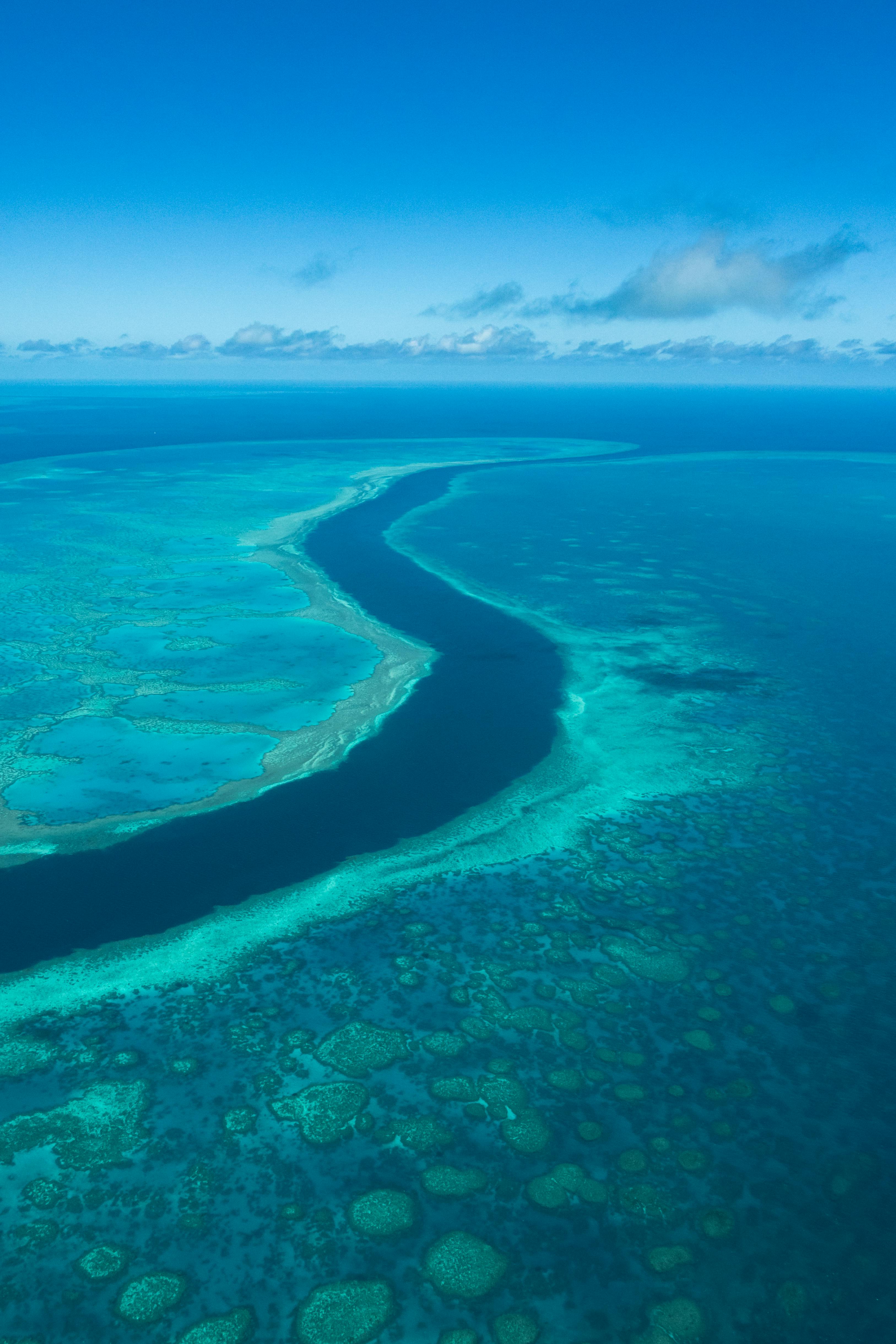
Reef flats, shallows and the deeper water between them. Where you sleep decides how much of that crossing you make before the day starts — and again at the end of it.
Mainland base
Cheaper, more flexible and weather-proof. You keep a vehicle, a supermarket and a wet-weather alternative, and you can move on if a swell settles in for the week. The trade is transfer time: the water you came for may be an hour of driving and a boat ride away, every single day.
Island stay
You wake up on the water and dive the early flat hour before anybody else arrives. The trade is commitment: limited supplies, limited options in bad weather, and transfers that are themselves weather-dependent. Best used for a defined stretch inside a longer coastal trip rather than the whole of it.
THE ALMANAC READING
When the coast reads best.
Australia’s coast does not have one good season, it has several, and they sit at opposite ends of the country. The full seasonal method lives in When to Go: Seasons and Timing; this is the coastal short version.
Tropical north, May to October. Dry, settled, comfortable water, no stinger season and the steadiest visibility of the year. Also the busiest and the most booked-out.
Tropical north, November to April. Hot, humid, storm-prone and stinger season. Quieter, greener, and workable if you accept lycra suits and afternoons indoors.
Southern coasts, December to March. Warm enough to stay in the water, long evenings, and school holidays that fill every coastal town in the country.
Southern coasts, March to May and September to November. The journal’s preferred window: calm mornings, mild afternoons, empty car parks and accommodation that is actually available. Bring a wetsuit and a jumper for the same day.
VERIFY BEFORE YOU GO
Conditions move faster than this page does.
Check the day with whoever holds it before a plan depends on this chapter: marine park zoning and temporary closures with the managing agency, the water itself with local signage and the patrolled-beach flags, ramp and track access with the park office or council that maintains it. Where an official notice and this page disagree, the notice is current and we are not.
Corrections are checked against the published source before a line changes, so if a bay behaves nothing like the description above, the same form takes it — along with the coastal question this chapter has not answered yet.
THREE THINGS THAT SHARPEN AN ANSWER
The stretch. A bay, an island group or a length of coast — anything narrower than a whole state.
The month. Fixed dates or a rough window; the answer moves either way.
The water. Whether you plan to be in it, on it, or walking beside it.
READ ON FROM THE WATER
When to Go: Seasons and Timing — the full method behind the coastal short version above.
Travelling in Queensland — the state that keeps two coastal calendars at once.
Packing and Preparation — what a wet, salty, sun-exposed day actually needs in the bag.
Travelling Responsibly — the position behind the reef-safe list on this page.
How to Structure Three Days in a City — for the half of the trip that isn’t on the water.